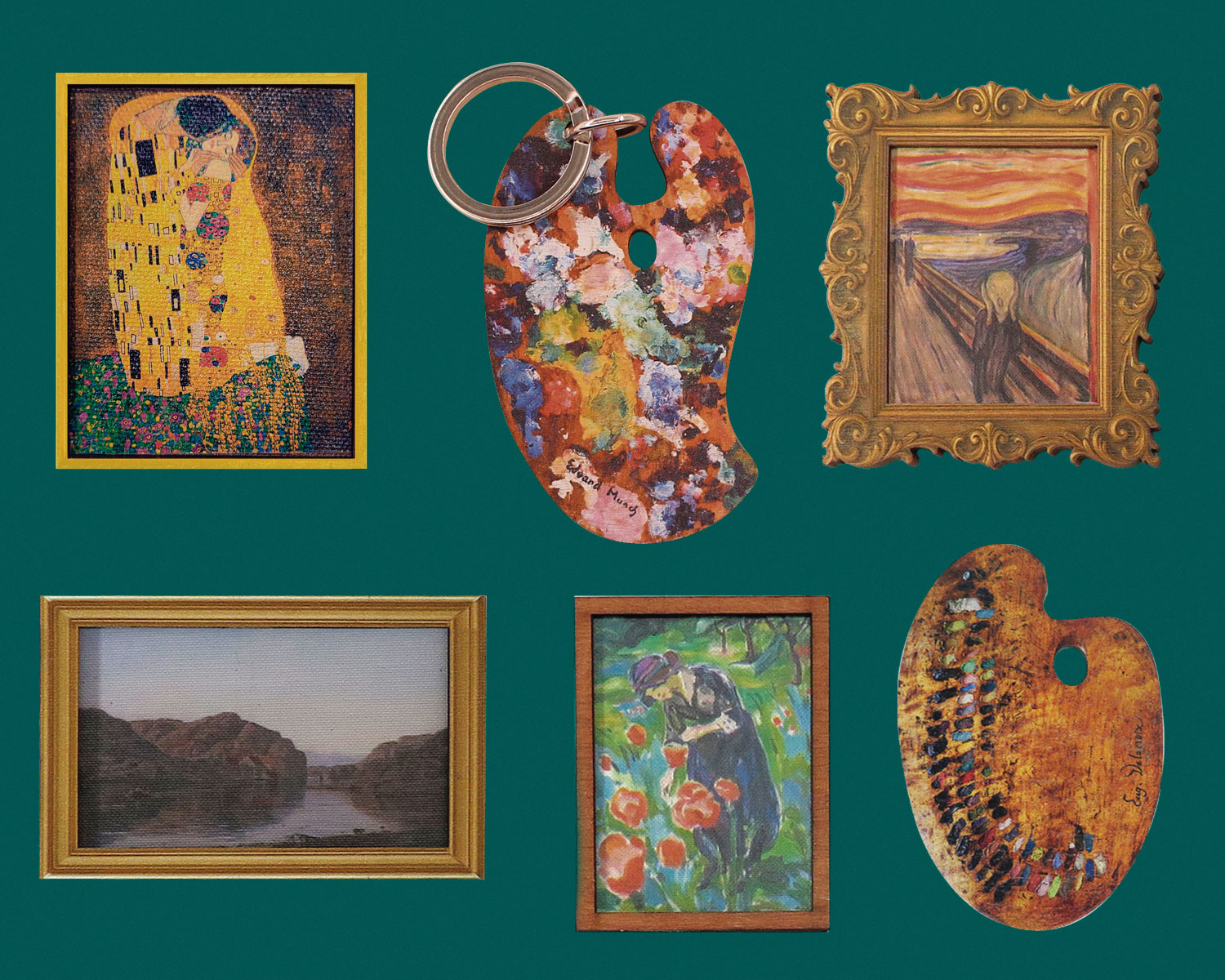
Turning a piece of art into a museum object (or into a museum shop product) should not be a simple transfer of image onto a surface. At its best, it is a cultural operation: translating artistic content into a language of everyday use without emptying it of meaning.
Within the sector, there is a recurring and very legitimate question: how can we create products without trivializing the artwork? The answer is not a single formula, but a set of conceptual and technical criteria that help determine what is done, how it is done, and why it is done. At Ming Productions, this work is understood as narrative and design applied to a heritage context: transforming artworks and ideas into purposeful objects without losing respect for their origin.
What It Means to Transform Art into an Object
Transforming art into an object is not “putting an image on a mug.” It is designing an experience of continuity between the exhibition, the curatorial narrative, and everyday life. A strong cultural product fulfills at least three functions:
- Mediation: It helps visitors understand, remember, or revisit the artwork.
- Connection: It allows the visitor to take home a meaningful fragment of the visit (not just a souvenir).
- Institutional sustainability: It can support the museum’s mission (educational, heritage-based, and economic) without betraying it.
An artwork is not only an image; it is also materiality, scale, technique, time period, authorship, and context. When it becomes an object, it is important to decide what is being translated:
- Iconography (motifs, figures, palette, composition)
- Technique (line, texture, gesture, repetition, relief)
- Narrative (theme, intention, historical context)
- Values (innovation, critique, spirituality, humor, etc.)
An applied art approach does not copy; it interprets methodically. That is where legitimacy begins.
Limits Between Reproduction and Interpretation
In cultural products, the key boundary is not “beautiful vs. ugly,” but reproduction vs. interpretation. Both approaches can be valid when applied thoughtfully.
Reproduction: Fidelity as Value
Appropriate when the goal is to preserve and disseminate the artwork exactly as it is (or a precise detail).
Examples: prints, postcards, facsimiles, magnets with direct reproduction.
Essential quality criteria:
- Color management (profiles, testing, calibration)
- Resolution and detail (proper digitization)
- Supports coherent with the artwork (paper, finishes, textures)
- Clear information (title, artist, date, provenance or collection)
Reproduction fails when it becomes a “sticker without context.”
Interpretation: Translating Without Betraying
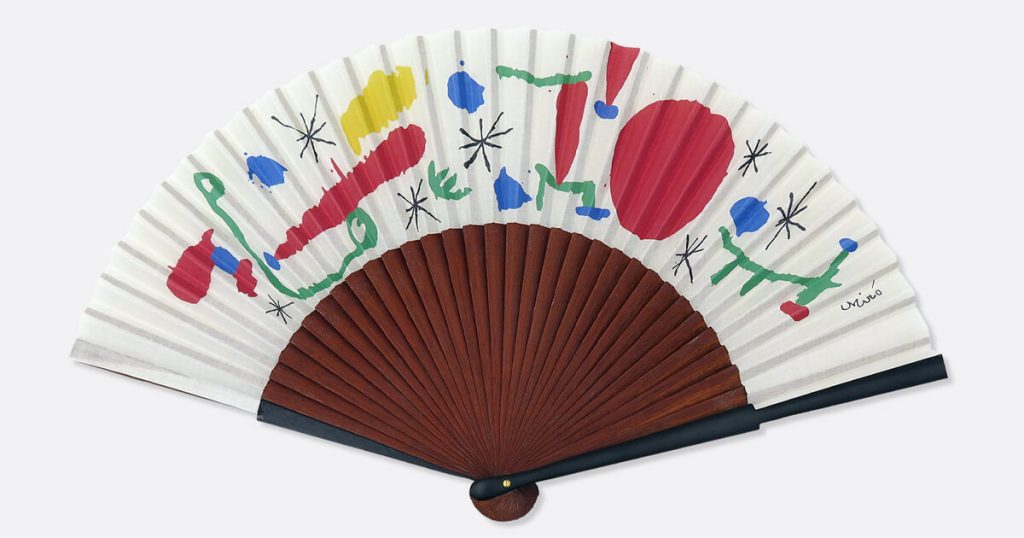
Here, the product does not replicate the image but works with essential elements of the artwork: rhythm, form, palette, symbols. This is the natural territory of cultural product design: a creative reading with clear limits.
It works well when:
- There is a curatorial or educational idea behind it.
- The object’s form makes sense in relation to the content (not arbitrary).
- It is clearly identified as “inspired by,” “based on,” or “detail from,” when appropriate.
It becomes trivializing when:
- The reference is superficial (only “artistic style” without substance).
- Sensitive symbols (religion, mourning, violence, colonial contexts) are forced for commercial purposes.
- A complex artwork is reduced to a joke without mediation.
Practical Framework: Degree of Transformation
To make rigorous decisions, it helps to classify design into four levels:
- Literal reproduction (entire artwork)
- Reproduction by detail (significant fragment)
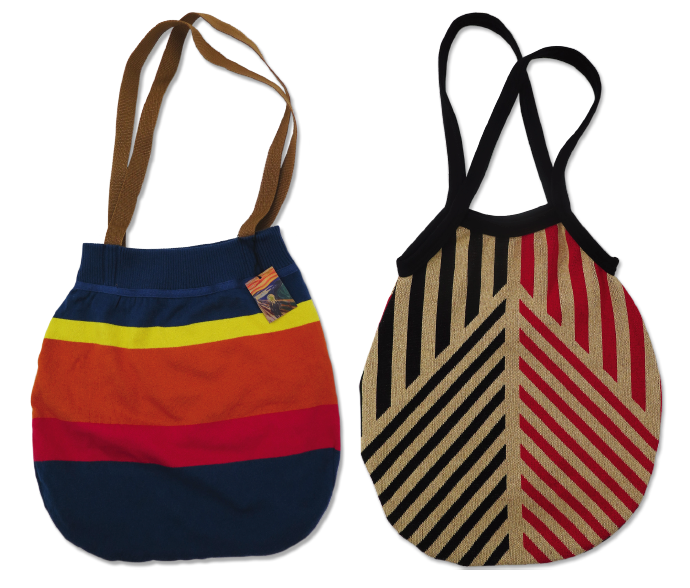
- Formal translation (patterns, palette, geometries)
- Narrative derivation (educational product, game, kit, or functional object with narrative)
The higher the level, the greater the need for context, co-design, and cultural justification.
Responsible Design in a Cultural Context
Designing for a museum environment is not the same as designing for general retail. There are specific responsibilities: authorship, rights, context, sustainability, and traceability.
Rights, Licenses, and Permissions
Before designing, it is essential to verify rights status (public domain vs. protected work), licensing contracts (conditions, territories, royalties), and museum brand use (guidelines and restrictions).
Cultural Coherence
Useful questions to evaluate whether the object “speaks the language” of the artwork:
- What central idea of the artwork are we translating?
- What is lost and what is gained in turning it into an object?
- Is this format respectful of the subject (mourning, violence, ritual)?
- Does the object add understanding or only consumption?
Material and Narrative Quality
In museum objects, quality is not luxury; it is coherence. Durable materials, finishes that do not distort content, packaging with curatorial microtext and credits, and avoiding cost-cutting decisions that contradict heritage value.
Sustainability and Traceability
Responsible design is also measured by how it is produced: recycled or recyclable materials when appropriate, reduction of unnecessary plastics, local production when possible, and transparency about origin and processes. In a museum context, how we produce is part of the message.
Accessibility and Mediation
A cultural product can be an access tool: easy-to-read formats, clear signage, tactile objects inspired by textures or volumes, and educational materials that inform without infantilizing.
Common Examples in Museums
These formats work well because they have a clear role within the museum–shop–visitor ecosystem. The key is not the object itself, but how it is justified.
Reproduction and Collection
- Postcards and prints (with high-quality paper, accurate color, and complete data)
- Notebooks and stationery with careful reproduction
- Magnets or pins when scale and legibility are respected
- Facsimiles or detail reproductions for iconic works
Formal Translation (Applied Art)
- Textiles (scarves, tote bags) with patterns derived from the artwork
- Ceramics and tableware when motif and technique dialogue with content
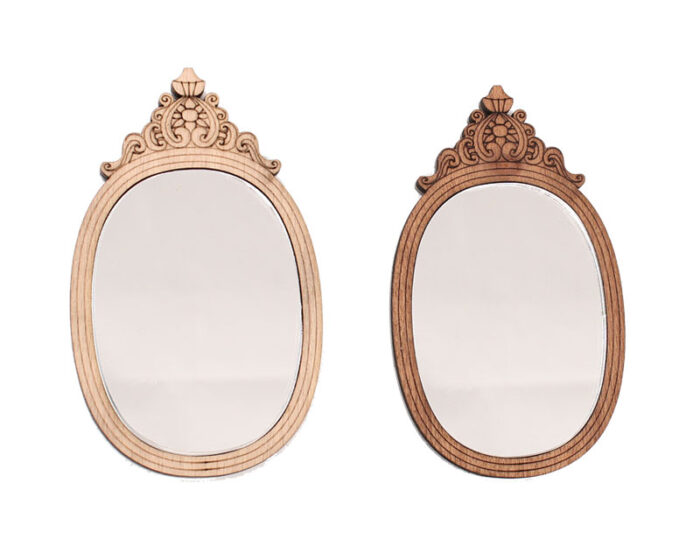
- Desk objects where design supports without overwhelming
Narrative and Education
- Puzzles (with curatorial detail and a slow-looking experience)
- Games (memory, cards) linked to forms and themes of the collection
- Creative kits (drawing, collage, printmaking) connected to the artist’s techniques
Well-Executed Souvenir Products
There is also space for lighter keepsakes, provided that:
- They do not contradict the museum’s discourse
- They do not oversimplify sensitive themes
- They maintain dignified execution (material, printing, packaging)
A Method to Create Products Without Trivializing the Artwork
A replicable process to guide decisions:
- Define the cultural purpose: dissemination, mediation, memory, education, or economic sustainability (prioritized).
- Choose the degree of transformation: reproduction, detail, formal translation, or narrative derivation.
- Develop a curatorial and design brief: key message, limits, tone, audiences, sensitivities.
- Resolve rights and credits from the beginning: licenses, approvals, agreements.
- Prototype with real testing: color, materials, touch, durability, safety.
- Add context within the object itself: label, card, or packaging with authorship and short narrative.
- Ensure production coherence: sustainability, traceability, and alignment with the museum’s positioning.
A Final Thought
The shop can be an extension of the museum (not an appendix). When cultural product design is done rigorously, the result does not diminish the artwork; it accompanies it into new contexts, generates conversation, and sustains institutions.
This approach positions Ming Productions as a cultural agent, not just a producer: someone who transforms artworks and ideas into objects with narrative, criteria, and responsibility.
Our products
Producto licenciado