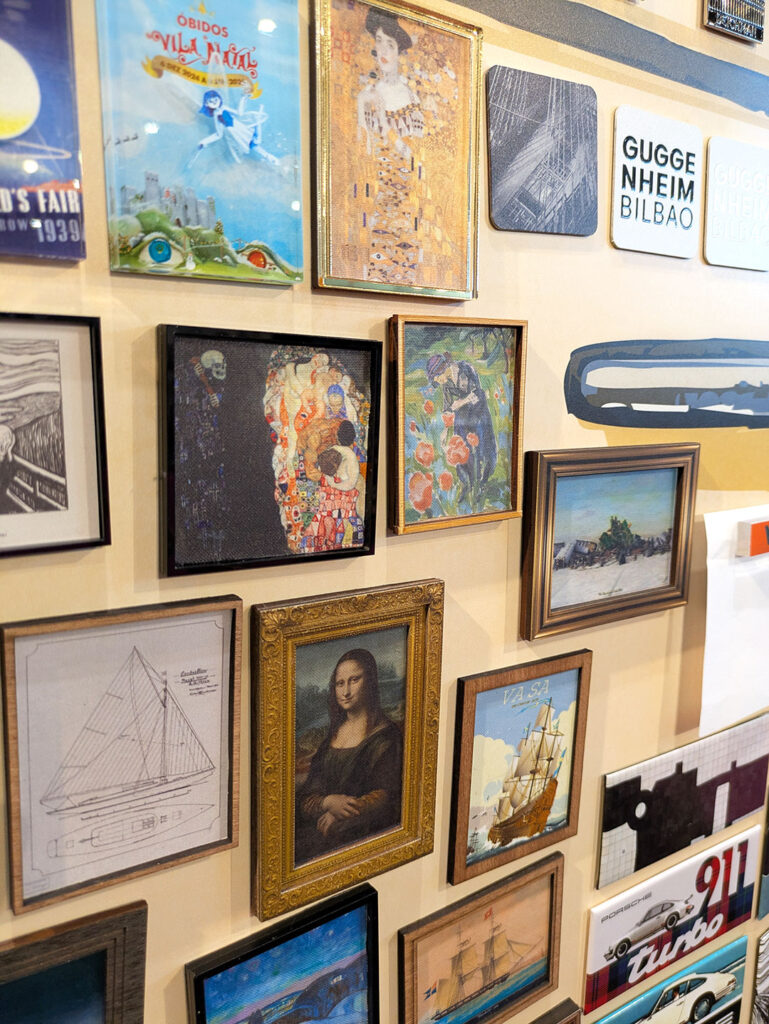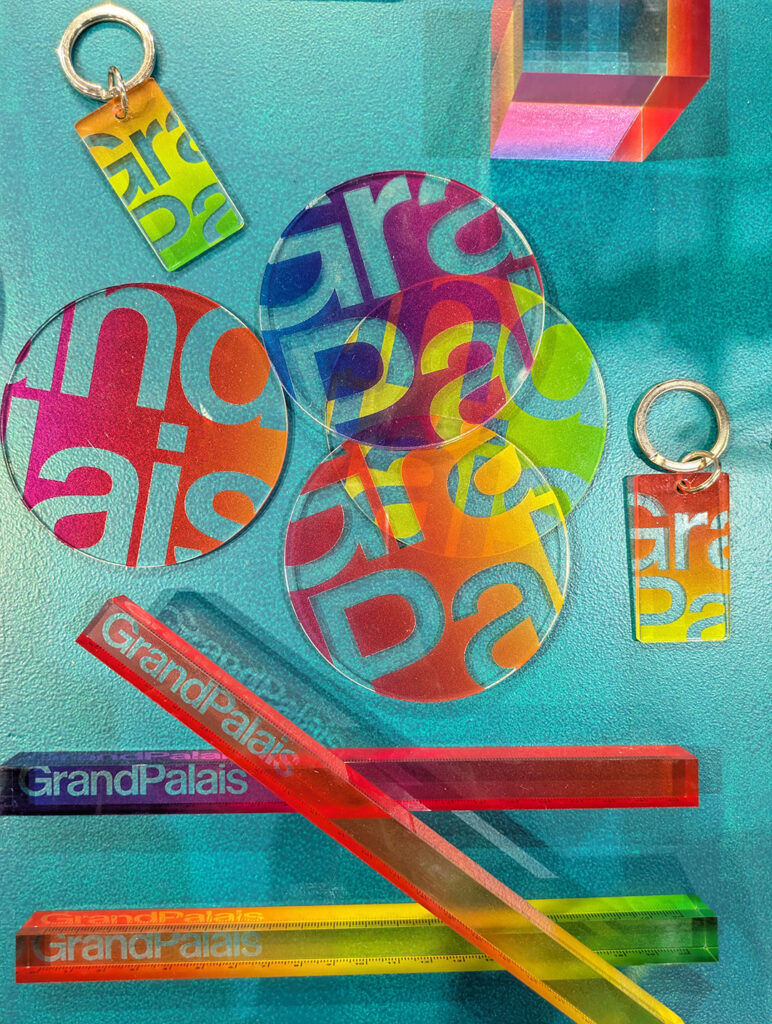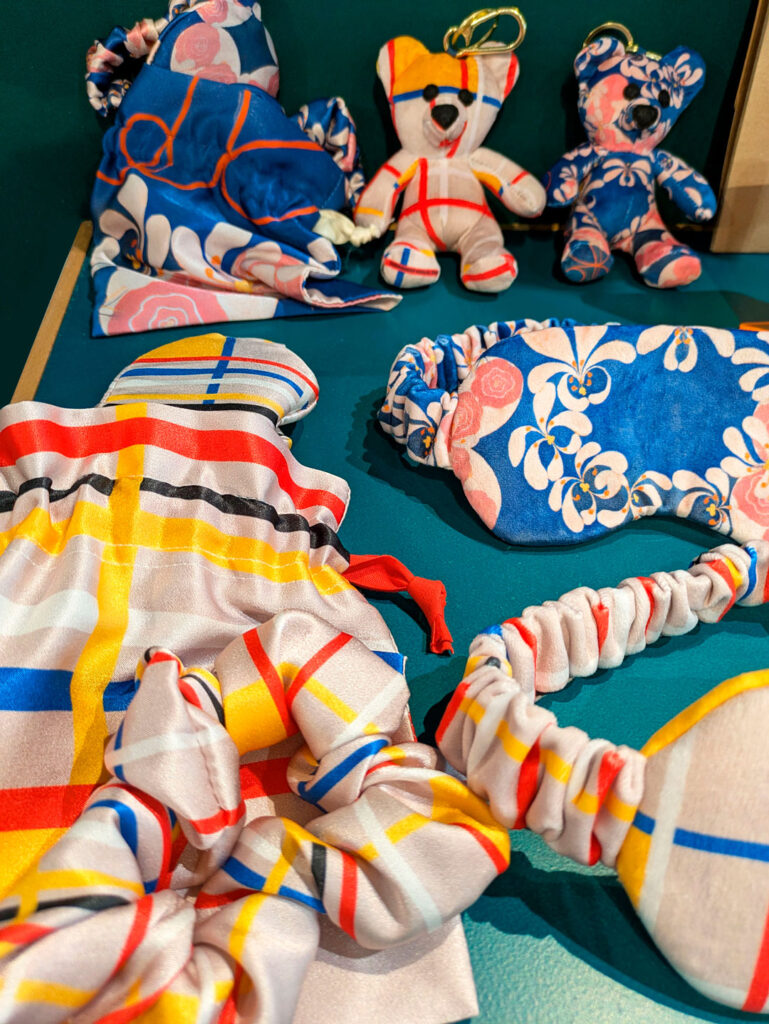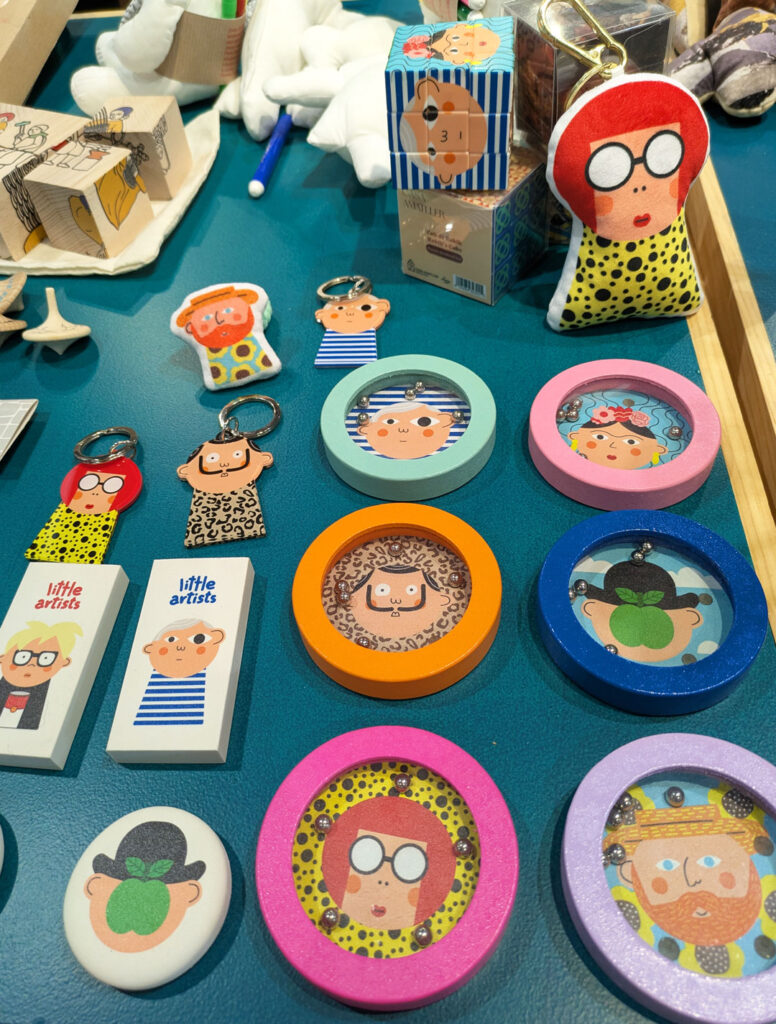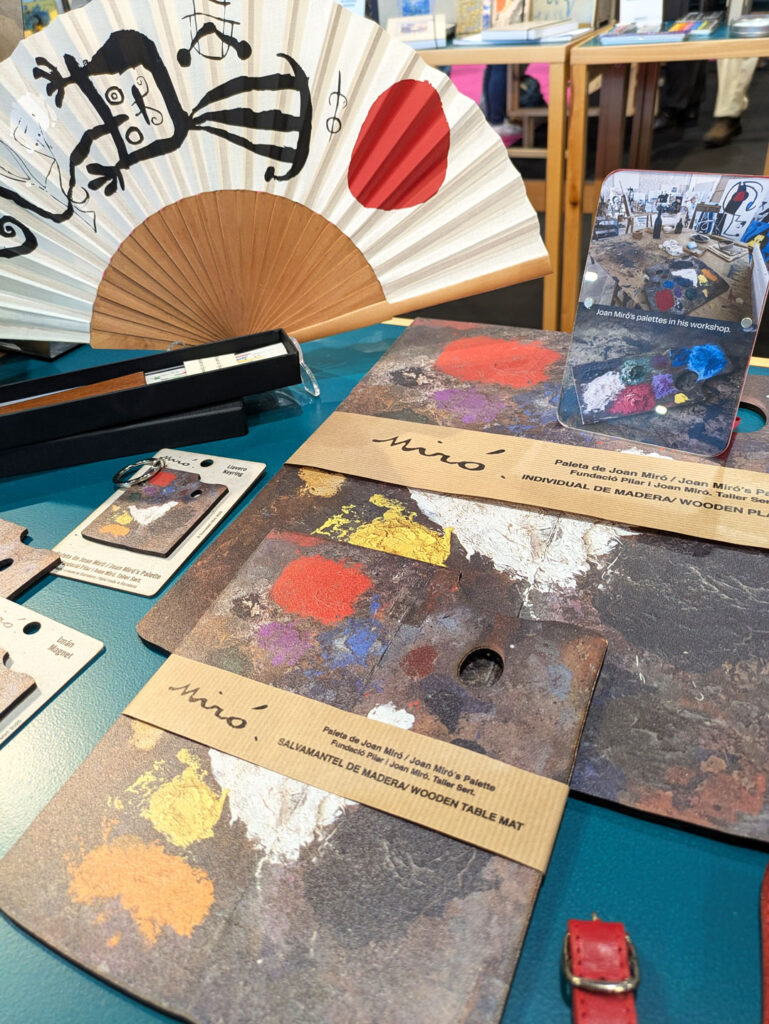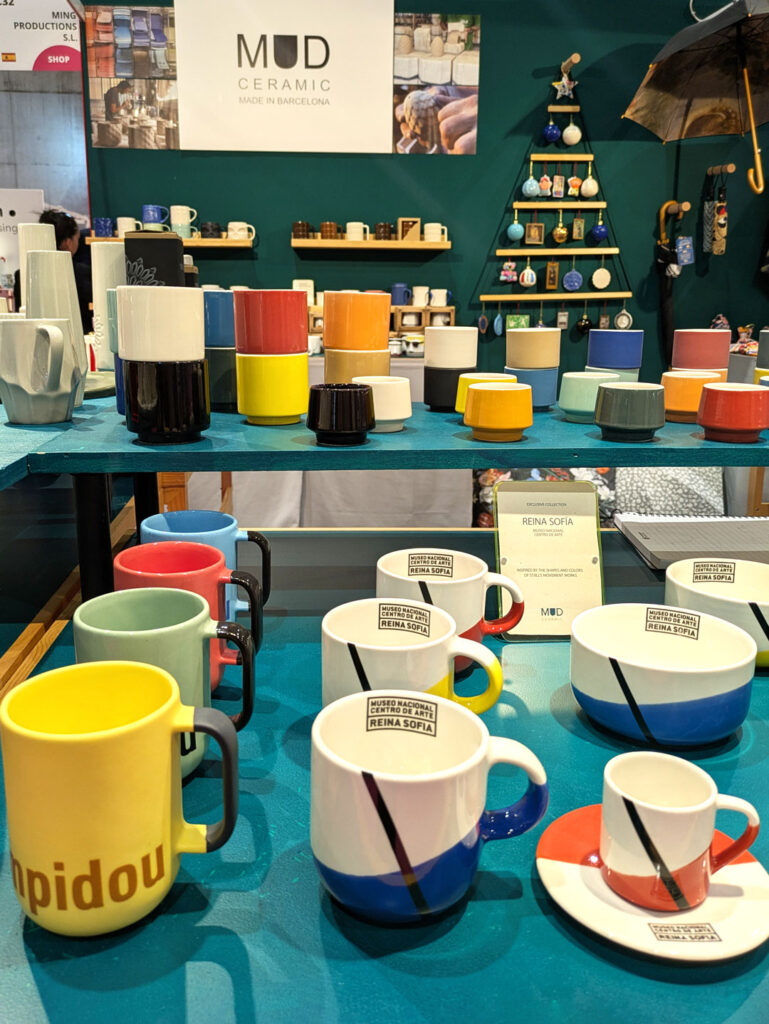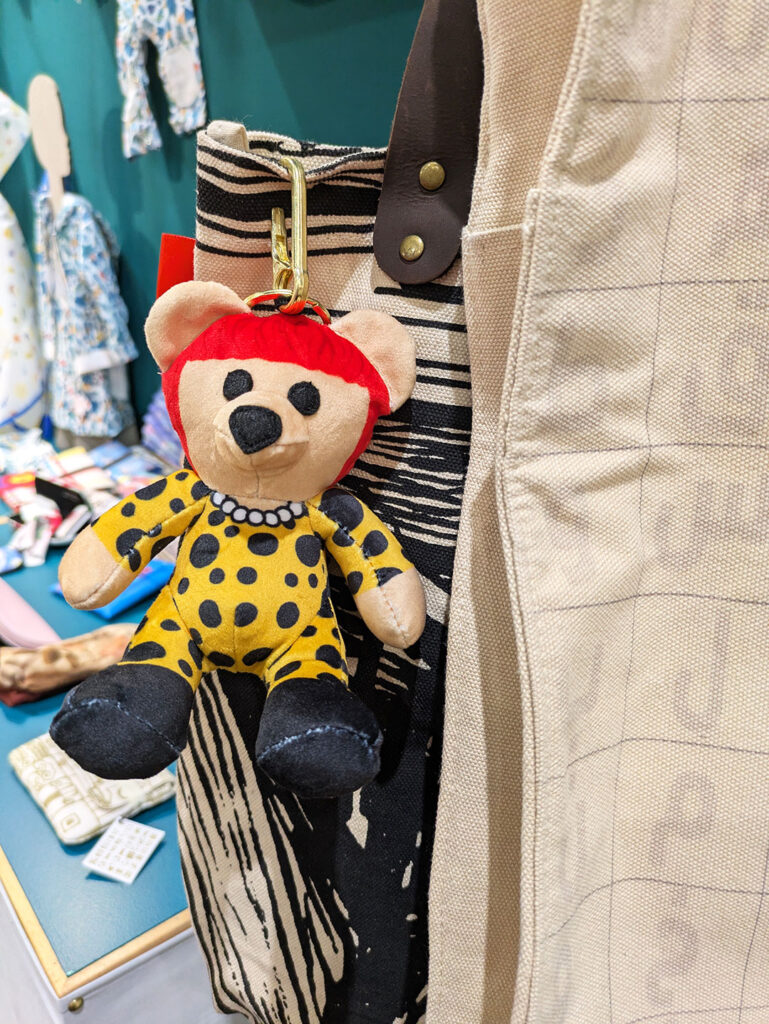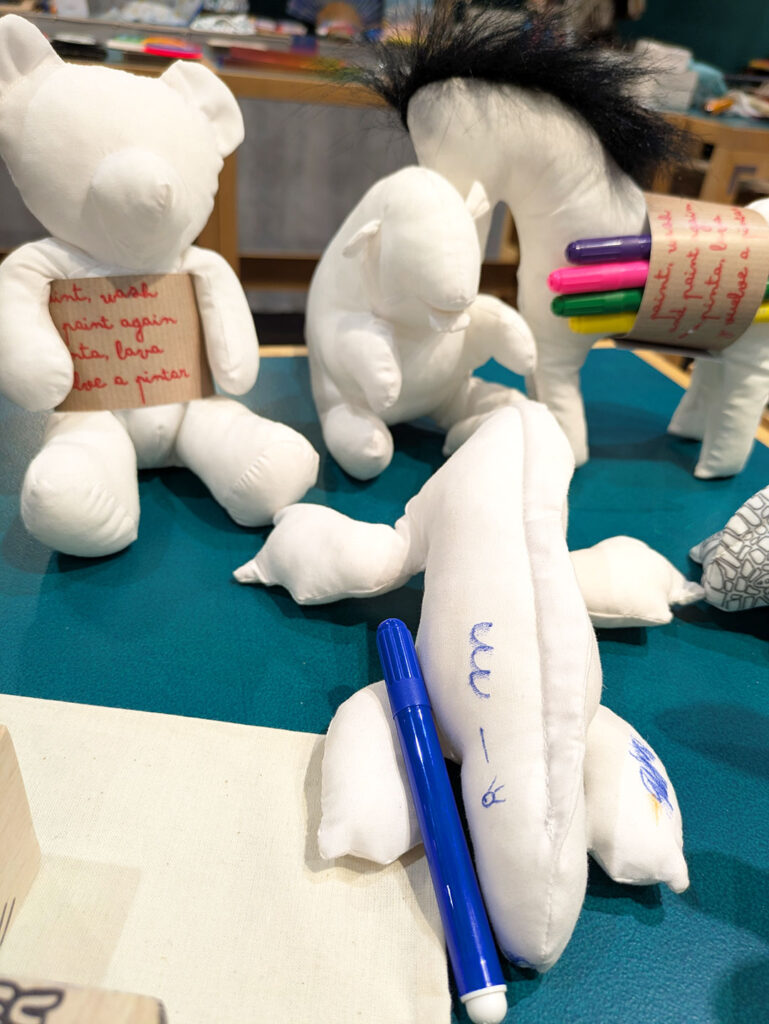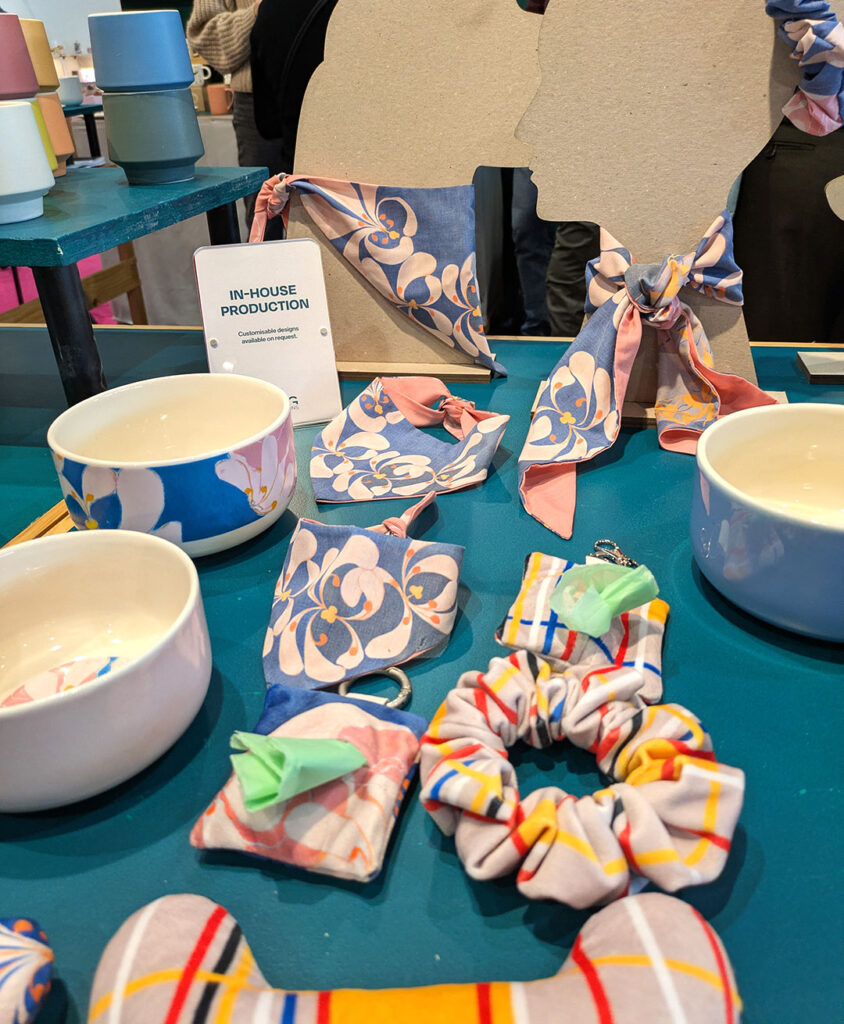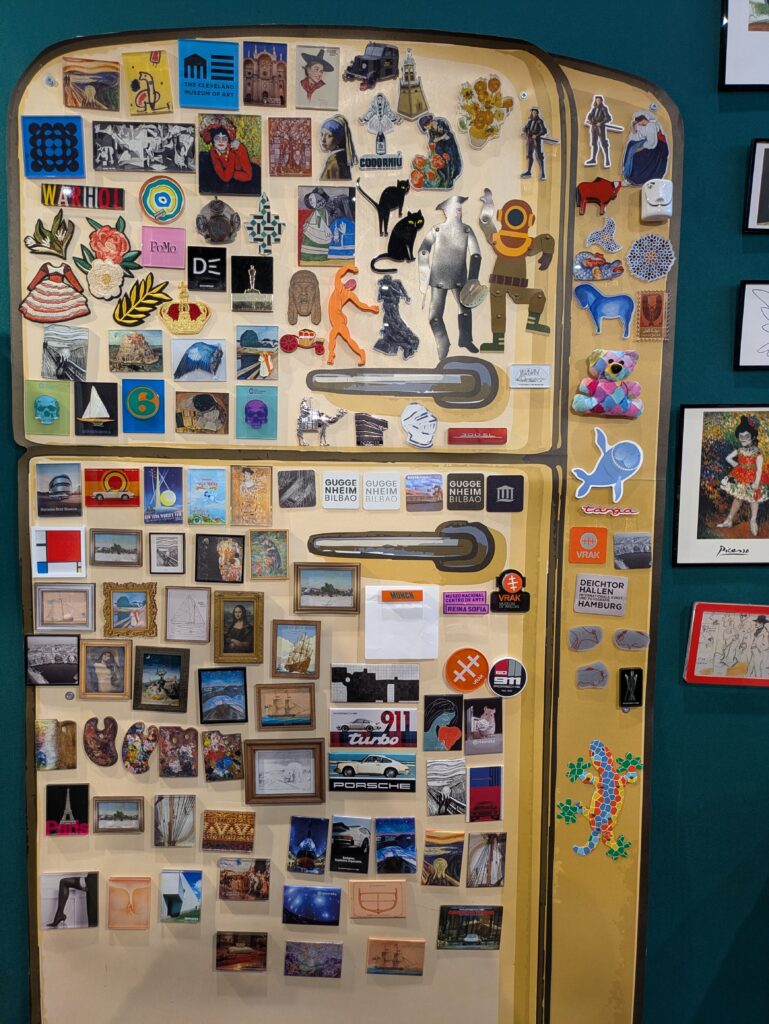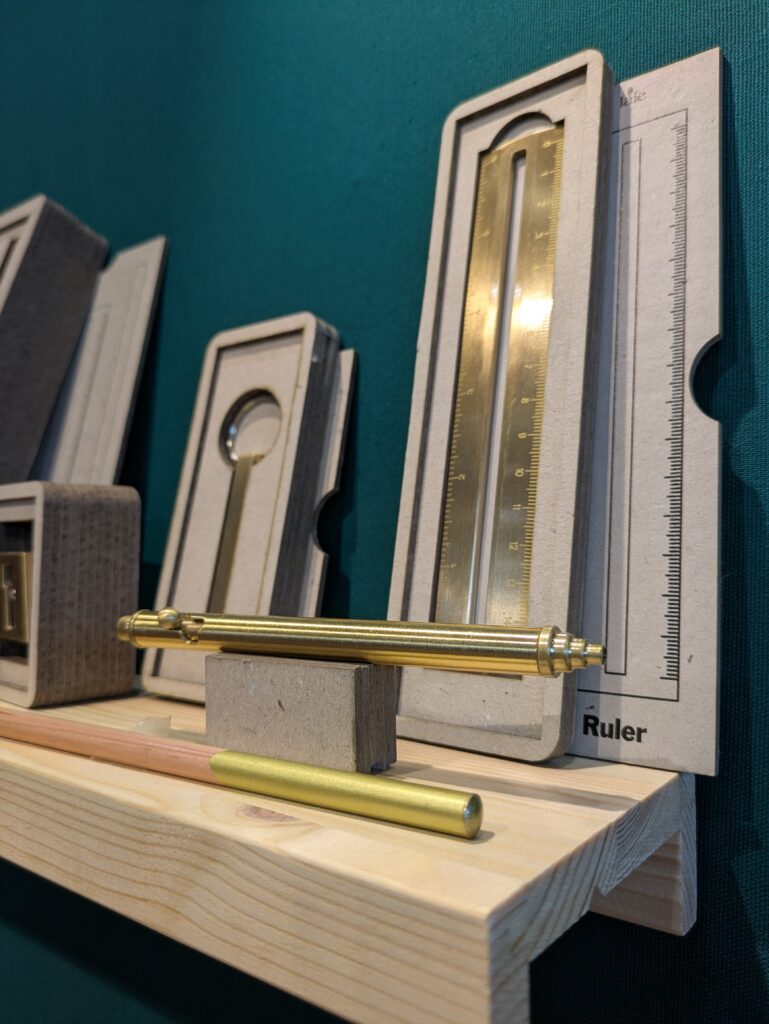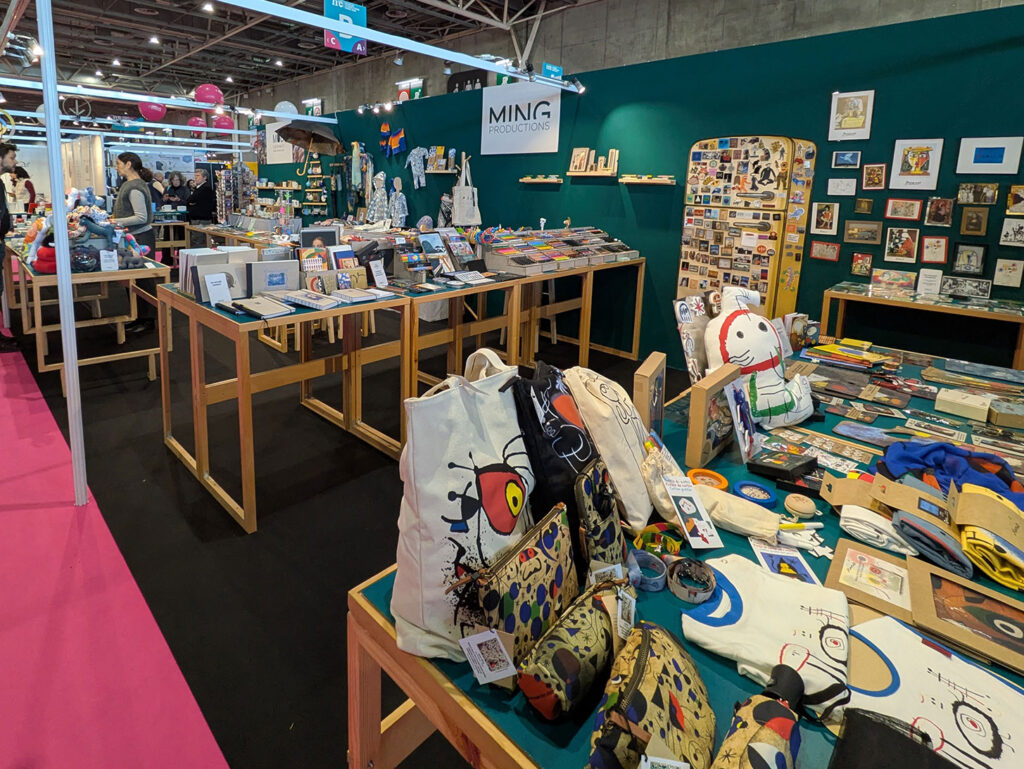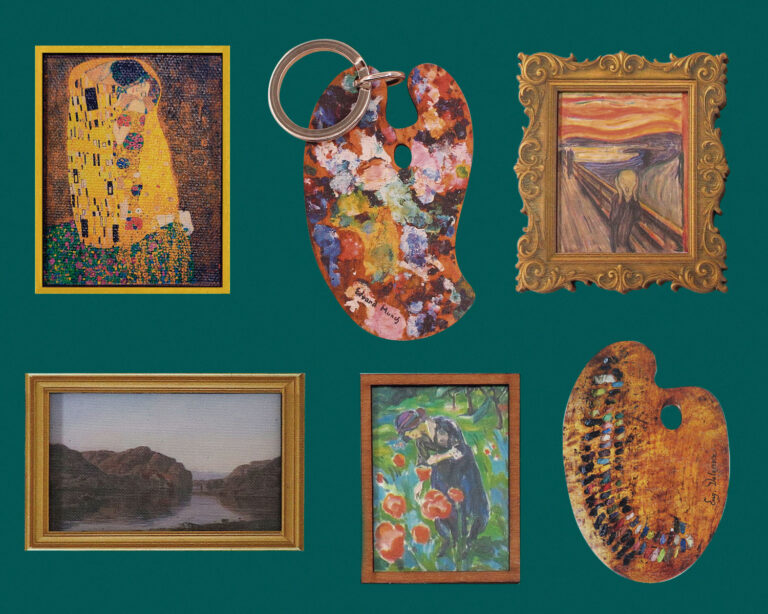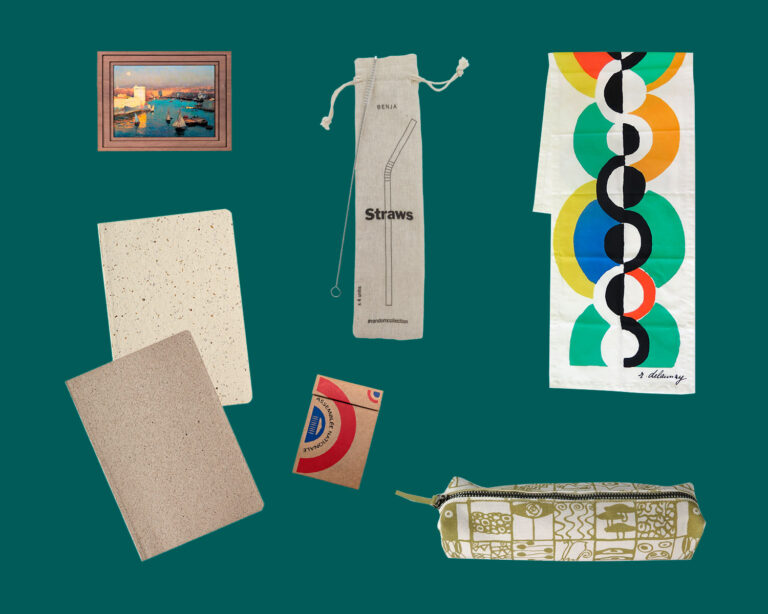
From 13 to 14 January 2026, Museum Connections once again brought together in Paris (Paris Expo Porte de Versailles, Hall 5.2) the professionals shaping the ‘backstage’ of today’s cultural ecosystem: the visitor experience, interpretation, technology, cultural tourism… and, very visibly, museum retail and museum products.
This year, Ming Productions took part as an exhibitor (stand C32), not only to present new releases but to listen first-hand to what is changing in the cultural merchandising market and where cultural product design is heading when it intersects with heritage, storytelling and economic viability.
Below is our reading of what we observed: trends that are no longer just a ‘fashion’, but signals of transformation.
What is Museum Connections, and why it matters to the cultural ecosystem
Museum Connections defines itself as an international trade event focused on the economic and sustainable challenges of museums, cultural and tourist sites, and on ‘decoding’ trends and innovations to imagine new visitor experiences.
Its strength lies in its end-to-end approach: in one space you find MUSEUM LIFE, MUSEUM TECH and MUSEUM SHOP — strategy and services, technology solutions and the shop universe. That makes Museum Connections a particularly useful barometer because it connects decisions that are often made separately (curation, interpretation, commercial, licensing, purchasing and operations).
And the weight of the shop area is significant: the fair itself structures a broad exhibitor offer that speaks directly to shop managers, buyers and product development teams. In other words, this is where you can see in real time, how museums try to balance cultural mission with financial sustainability.
Key trends observed at Museum Connections 2026
Experience before object: the product as an extension of the narrative
The most repeated signal (explicitly and implicitly) is that the product no longer wants to occupy the place of the ‘quick souvenir’, but that of a piece that is coherent with the story: it is not about ‘things’, but about meaningful memories.
In practice, this leads to more curated, coherent collections: fewer products ‘to fill shelves’ and more pieces designed with an idea — and a narrative — behind them.
Operational sustainability: materials, traceability and realistic scalability
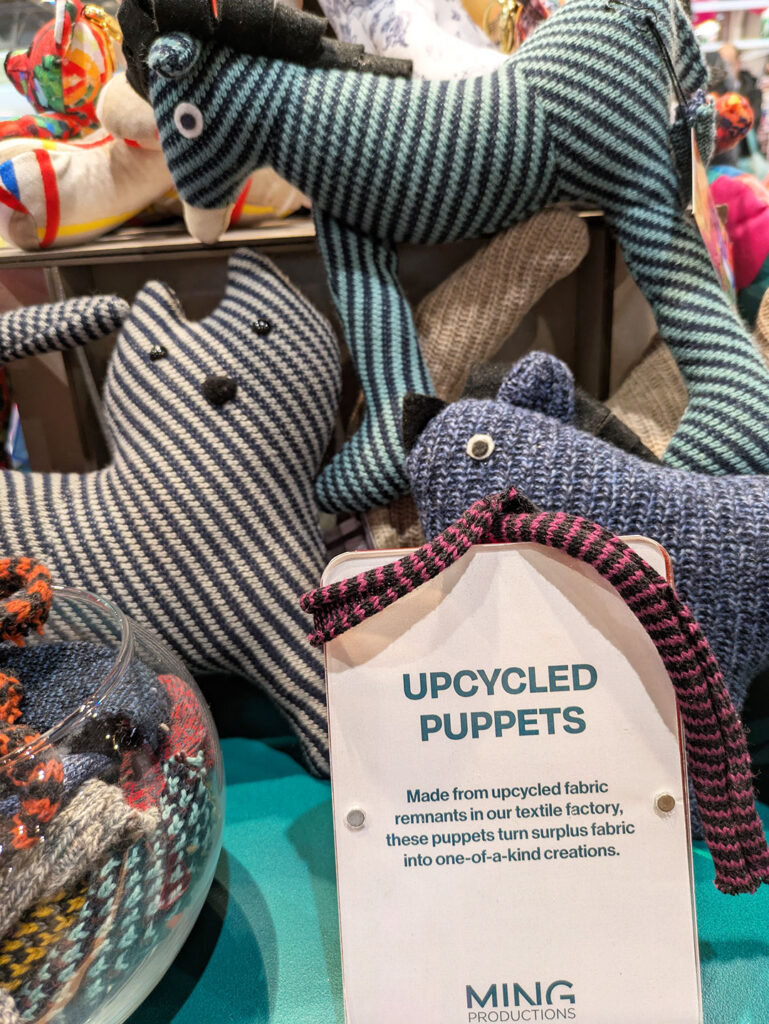
The sustainability shift has moved from rhetoric to hard questions: recycled or recyclable materials? Local or European production? Short runs? Replenishment capability? Packaging? At Ming, we live this every day: museums need sustainability that is also workable (quality, lead times, margins and continuity), not just declarative. Ming’s own museum merchandising offer emphasises eco and recycled materials, and customisation processes designed for cultural institutions.
Immersion and new forms of interpretation: the story becomes multisensory
Although this article focuses on products, 2026 once again showed how immersive interpretation (AR/VR/MR) is affecting the wider ecosystem: if the visit becomes more sensory, products also ‘catch’ that and try to translate the emotional layer into tangible formats. The fair programme included sessions specifically dedicated to ‘Immersion et musées’ and new interpretive approaches.
Culture as business: touring, licensing and hybrid models
Another structural trend is the professionalisation of ‘cultural business’: touring exhibitions as a source of income and strategic value, exportable formats, and partnerships between institutions and operators. In 2026, the Museum Connections environment itself integrated content on touring exhibitions and their economic value. In product terms, this translates into two things: greater attention to cultural licensing management and more focus on collections that can travel, adapt and scale consistently.
From souvenir to an object with cultural meaning
The big change is not aesthetic; it is semantic. The classic souvenir answered: ‘I was here.’ The contemporary cultural object answers: ‘I understand this, it represents me, I incorporate it.’
In the shop, that means:
- Compact narrative: a collection should be explainable in 20 seconds (on a shelf, on a label, in a post).
- Curatorial coherence: the product does not ‘decorate’ the exhibition; it dialogues with it (iconography, materials, tone, references).
- Everyday usefulness: the object fits into routines (stationery, tableware, textiles, games) and keeps the connection to the artwork or heritage alive.
At Ming, this aligns with our way of working ‘from artwork to object’: transforming artworks and ideas into merchandise while protecting narrative accuracy and cultural sensitivity — not just manufacturing.
The role of design in the economic activation of heritage
Talking about economics in culture is not about reducing culture: it is about sustaining it. And cultural product design has become a tool for activation with four clear impacts:
- Average transaction value and margin: a well-designed piece (materials, finish, storytelling) can increase perceived value without losing legitimacy.
- Audience segmentation: families, young people, collectors, international tourism… design creates different ‘entry points’ without betraying the story.
- Cultural brand: museums no longer compete only for visits; they compete for relevance. The product is another editorial medium.
- Efficiency: good design is not ‘adding’; it is deciding. Fewer SKUs, better rotation, less obsolescence.
That is why more and more institutions treat retail as an extension of the experience (not an appendix). It is no accident that the event structures a complete “MUSEUM SHOP” universe alongside tech and strategy.
What museums and cultural brands are looking for in production partners today
In 2026, conversations with museums, foundations, heritage sites and licensees were strikingly consistent. What is most valued in a museum-products partner is no longer simply the ‘ability to produce’, but the ability to understand (and resolve) the heritage–market–narrative triangle.
Cultural judgement (not just a catalogue)
Curatorial reading is required: knowing when an artwork allows a literal translation and when it calls for interpretation; when a wink works and when silence is better. Here, the partner brings sensitivity and editorial judgement.
Real command of cultural licensing
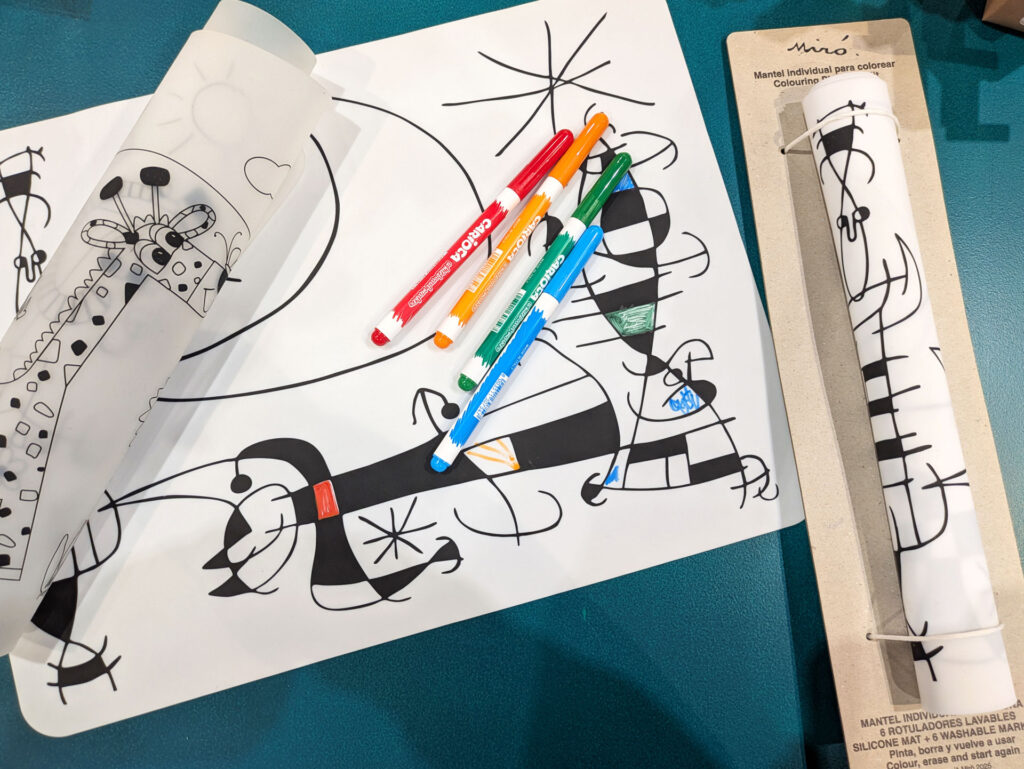
Consolidating agreements, compliance, respecting rights and, at the same time, being creative enough to avoid the obvious. Ming, for example, works with licensed products (such as the Miró universe) as a way to bring art to the public in an accessible and respectful way.
Responsible, flexible production
More than ‘big volumes’, what is needed is agility: short runs, limited editions, trials, fast replenishment. The logic is clear: exhibitions change, demand fluctuates, and stock risk is punitive. Local/European production and flexible print runs become a competitive advantage.
Quality as a brand guarantee
A museum is a cultural brand with a reputation. A poor-quality piece is not only a return: it is a dissonance with the institution’s narrative.
Ability to co-create
The ideal partner does not just execute: they propose, prototype, improve materials, suggest finishes and help build collections. At Ming, we experience this especially in categories where the object must ‘carry’ the narrative (stationery, home, games, textiles), combining design, customisation and production.
Towards more editorial, coherent and sustainable museum retail
Museum Connections 2026 confirms an evolution: cultural merchandising is no longer ‘what you sell at the end’, but an active part of the experience and the institution’s economic model.
For Ming Productions, taking part in this context is an opportunity to reinforce a positioning: we are not ‘just production’. We are a cultural agent who understands the balance between heritage, design and market; who works with narrative, materials, licences and rigour; and who helps ensure cultural product design is both meaningful for the visitor and viable for the institution.
Because the future of museum retail is not about selling more things: it is about designing better bonds.