What do we mean by “trend” in museums?
In the realm of cultural institutions, the term “trend” requires careful interpretation.
Unlike traditional retail, where trends are often driven by rapid cycles and seasonal demand, cultural merchandising operates within a different framework characterized by heritage, curatorial integrity, and long-term relevance.
In this context, a trend is not just a visual style or a product category that is gaining popularity. Instead, it signifies a shift in how institutions express their identity through objects.
Understanding this distinction is crucial. If trends are adopted without the proper context, they risk diluting the institution’s identity. However, when approached strategically, trends can be valuable tools for maintaining relevance. This allows institutions to engage contemporary audiences while remaining true to their core mission.
Evolution of cultural retail
Over the past decade, cultural retail has undergone a significant transformation.
Increased financial pressures and growing competition have positioned museum retail as a strategic revenue source that supports institutional sustainability while enhancing brand visibility beyond the exhibition space.
However, the role of museum shops today extends far beyond financial contributions. These shops are no longer viewed as secondary spaces or purely transactional environments; instead, they have become integral components of the institutional ecosystem. Museum shops serve as places where identity, narrative, and experience take tangible form.
This evolution has been shaped by several key dynamics:
From Product to Narrative
Products are increasingly conceived as carriers of meaning, moving beyond reproduction towards interpretation of art and culture.
From Mass Production to Curated Collections
Institutions are shifting towards smaller, more intentional product ranges that directly respond to exhibitions and audience interests.
From Transaction to Experience
Retail environments are being redesigned as extensions of the visitor journey, where spatial design and interaction play central roles.
From Messaging to Responsibility
Sustainability is evolving from a mere communication layer into a fundamental consideration across sourcing, production, and packaging.
In this context, institutional merchandise is no longer driven solely by novelty. Its relevance is defined by its ability to align with curatorial narratives while remaining meaningful in a contemporary context.
Forward-thinking institutions approach retail with the same level of rigor as they do exhibition-making. Just as museum spaces are designed to challenge, educate, and inspire, retail spaces must operate under the same guiding principles.
Timeless design vs. fashion
One of the key tensions in cultural merchandising lies between timeless design and fleeting fashion.
Trend-driven products often focus on immediacy, quickly adapting to shifts in consumer demand or aesthetics. However, this short-term relevance can have drawbacks; as trends fade, so too does the product’s significance, ultimately diminishing its connection to the institution.
In contrast, timeless design is not reactive. It is characterized by:
- Clarity of concept
- Material integrity
- Longevity of use
- A strong connection to the source material
For cultural institutions, a well-designed product should resonate not just at the moment of purchase but also retain its value long after the visit. Instead of asking, “What is popular right now?” institutions benefit more from asking, “What will remain meaningful over time?”
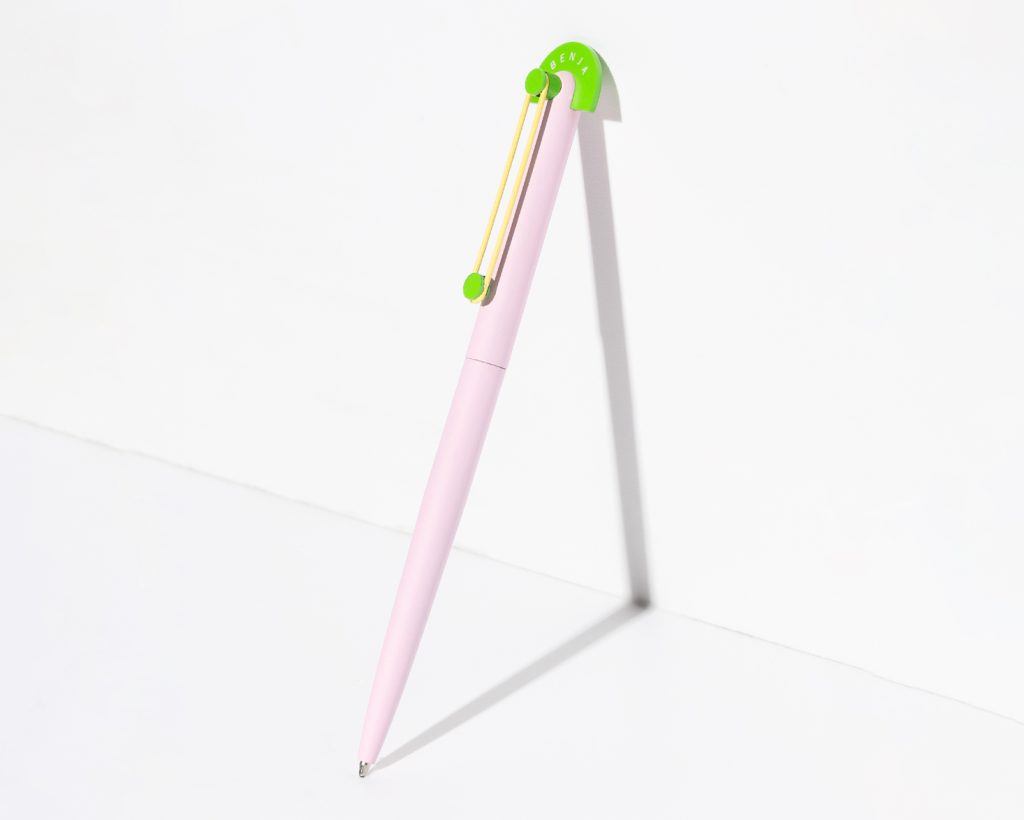
Collections like the Benja personalised product line demonstrate how adaptability and identity can coexist. They offer customisation while maintaining a clear and consistent design language that will stand the test of time.
Key learnings from the sector
Across international markets, several consistent insights are shaping the future of cultural merchandising:
1. Translation Over Replication
Products should not merely reproduce artworks; rather, they should translate them into formats that remain recognisable while gaining new relevance.
2. Material as Narrative
Materials are no longer neutral aesthetic choices. They communicate values through sustainability, durability, or craftsmanship.
3. Use Defines Value
A product that is not used cannot sustain meaning. Whether integrated into daily life or retained as a visual object, an impactful product remains present.
4. Small-Batch Production as a Strategy
Limited runs allow institutions to remain agile, reduce overproduction, and create stronger connections to specific exhibitions or moments. This approach also offers an opportunity to test product concepts and gain valuable insight into what resonates with visitors.
5. Retail as a Curatorial Act
Product selection and design should follow the same logic as exhibition-making: intentional, coherent, and aligned with the institution’s voice. The goal is to create a space that continues the museum experience.
For institutions navigating this landscape, the goal is not to be current at all costs. The most successful institutions are those that interpret trends through their own unique lens, rather than adopting them hastily. To explore more insights and developments in the sector, visit our Blog