In cultural retail, material selection is a strategic decision. It influences not only the aesthetics of a product, but also its durability, environmental impact, and perceived value.
Among the many options available, cotton, wood, and paper are among the most commonly used materials in museum merchandising. However, their presence is not coincidental. Each material offers specific properties that align with the functional, curatorial, and operational requirements of cultural institutions. Understanding how and why these materials are used is essential to developing products that resonate with both the institution’s values and visitors’ expectations.
Why These Materials Are Recurrent
Cotton, wood, and paper have persisted due to their balance of familiarity, adaptability, and compatibility with production.
Cotton
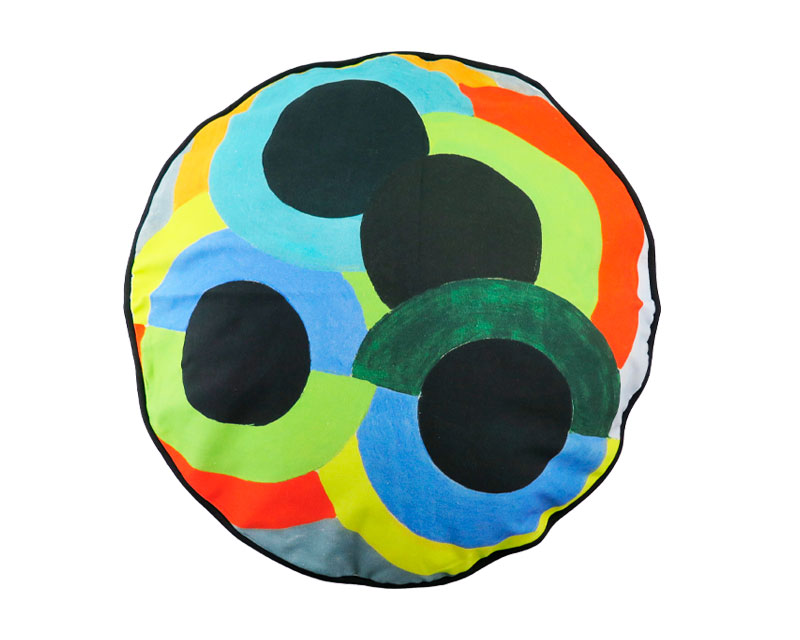
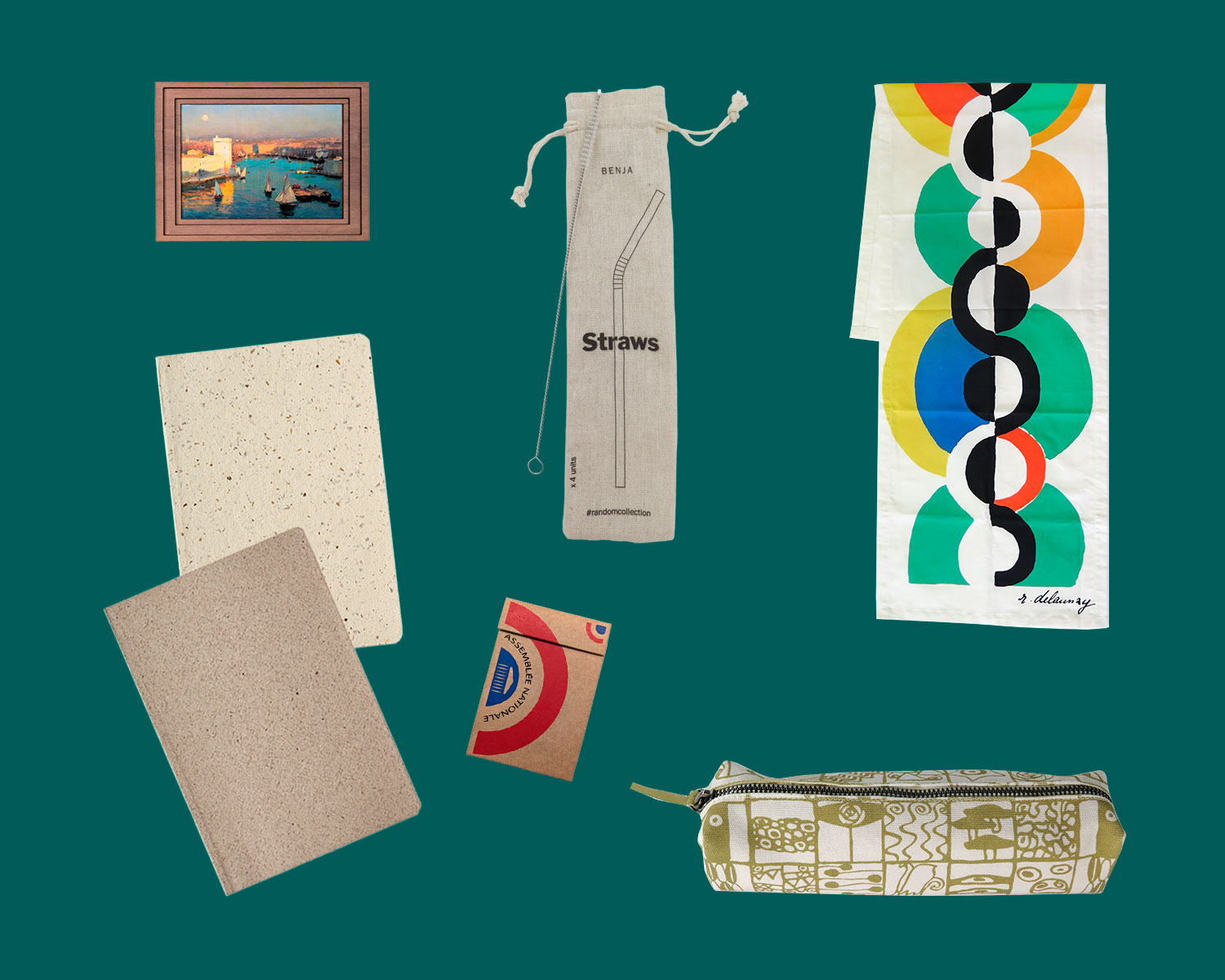
Cotton, a natural fibre used for centuries, is one of the most widely adopted materials in textile production. It offers a soft yet durable base that supports high-quality printing and withstands frequent washing. Its hypoallergenic properties also make it widely compatible across different audiences, allowing products to be worn comfortably by a broader range of visitors. When sourced responsibly, cotton also provides end-of-life benefits, as it is biodegradable and renewable.
Wood
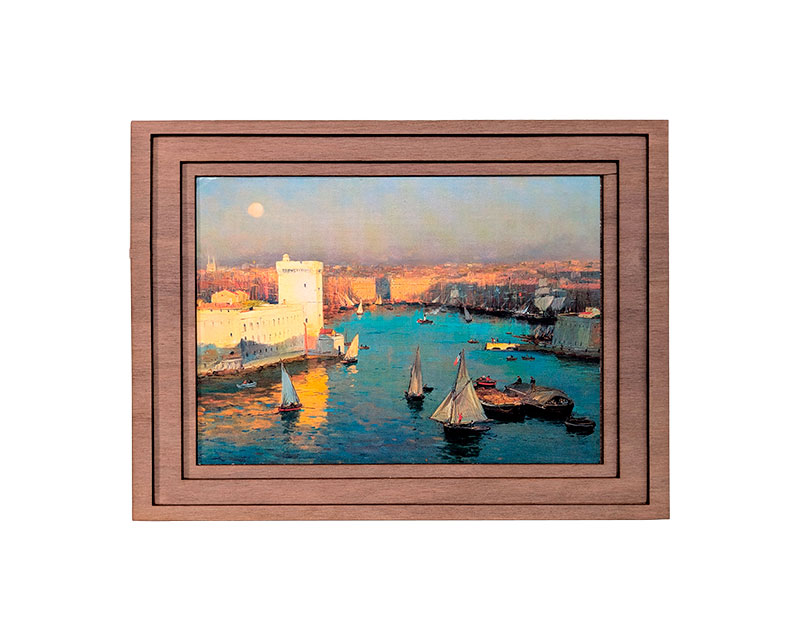
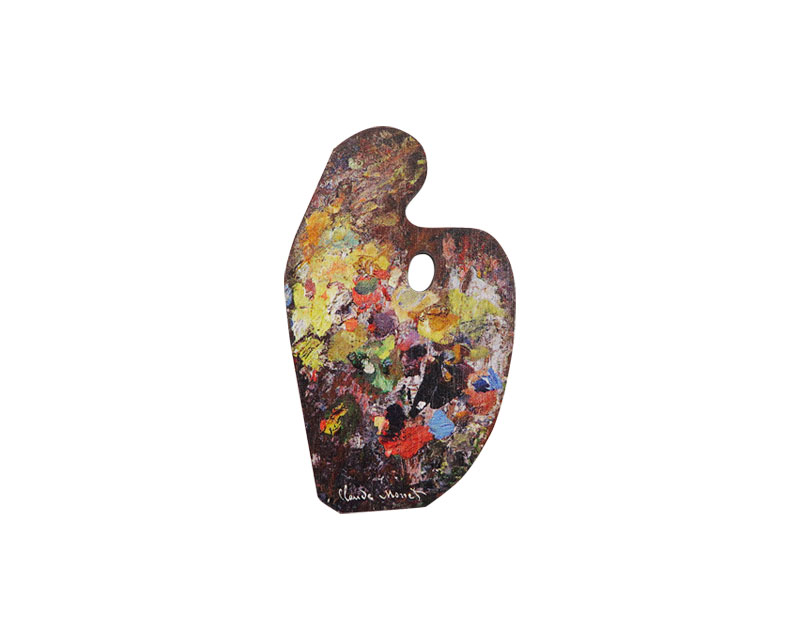
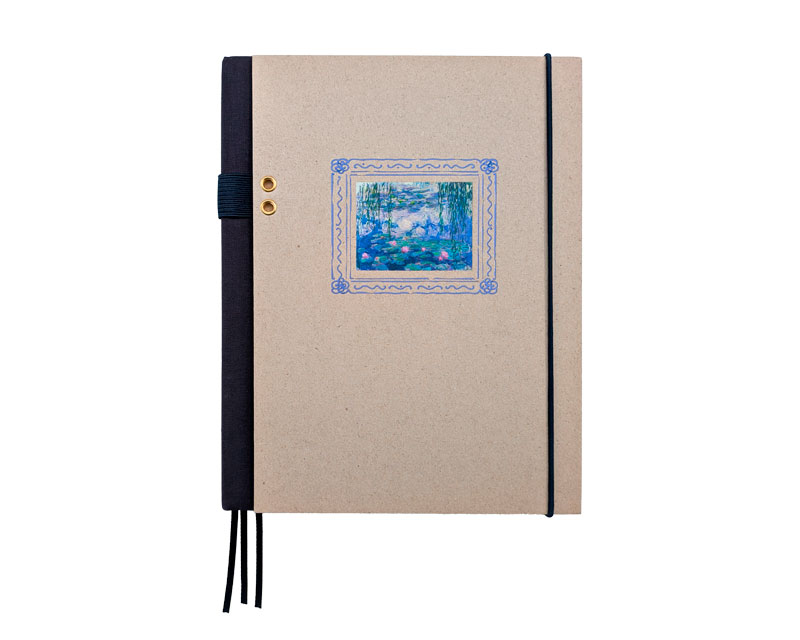
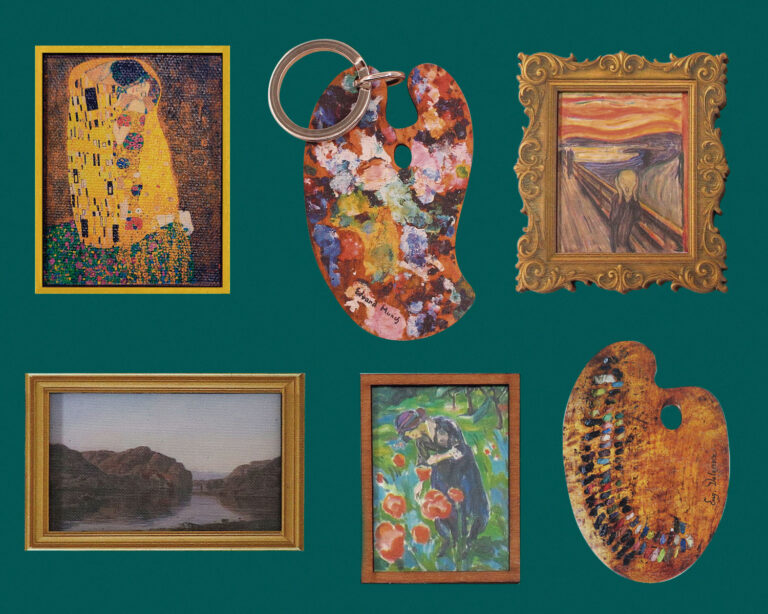
Wood introduces structural integrity and tactility that is hard to replicate with synthetic alternatives. Its natural texture and warmth enhance the perception of authenticity and craftsmanship. When sourced from responsibly managed forests, it also provides a reliable and renewable material base for long-lasting products. Certifications such as PEFC (Programme for the Endorsement of Forest Certification) verify that the wood originates from these forests.
Paper
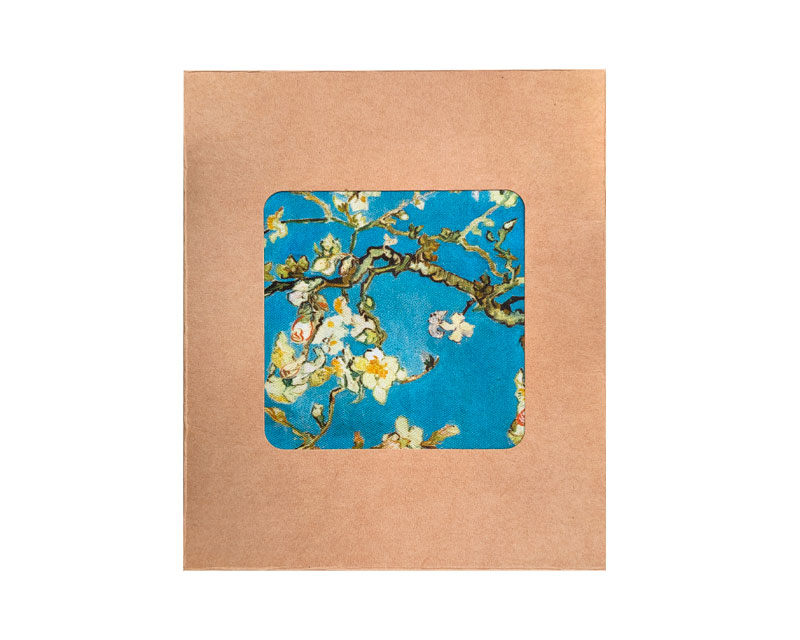
For institutions seeking to build long-term relationships, this level of intent is not optional: it is essential. Today, paper is increasingly replacing plastic in packaging and everyday products, driven by demand for more sustainable alternatives. When produced using recycled fibers or responsibly sourced materials, it offers a lower-impact solution without compromising functionality or design.
A Solid Foundation for Cultural Merchandising
Together, these materials form a flexible and reliable foundation for cultural merchandising.
Selection Criteria in Museums
In museum retail, material selection extends beyond cost or availability considerations. Products exist within a broader narrative framework, where every component contributes to how content is interpreted and remembered. The choice of material must therefore align with:
- the exhibition narrative
- the institution’s identity
- the expectations and behaviors of visitors
And each material supports this alignment in its own way.
Cotton may be chosen for its familiarity and wearability, enabling visitors to showcase the exhibition in their everyday lives. Wood has gained renewed relevance due to a growing preference for natural materials and a move toward timeless aesthetics. Paper enables accessibility through adaptable formats and scalable production. Selecting between them is not a matter of preference, but of relevance to context.
Durability and Perception of Value
Durability plays a central role in how products are perceived. Objects that maintain their quality over time signal care, intention, and credibility.
In contrast, poorly made, generic souvenirs can weaken this perception, limiting their relevance beyond the initial visit. While mass-produced merchandise often prioritises cost over longevity, cultural products are expected to endure alongside the ideas they represent.
When thoughtfully designed, durability does more than preserve the object itself. It extends the visitor experience, allowing it to remain present over time and strengthening the connection between the audience and the institution.
Responsible Production in Europe
The growing emphasis on sustainability has reinforced the relevance of materials such as cotton, wood, and paper. When properly sourced and processed, they offer viable pathways toward more responsible production.
European manufacturing plays a key role in this context.
It provides:
- greater transparency in sourcing
- stricter regulatory compliance
- higher consistency in quality control
At Ming Productions, we prioritise materials and processes that minimize waste, optimise production, and promote long-term use.
You can explore more about our approach to responsible materials and processes in our article on sustainable merchandising.
Additionally, the choice of material is closely linked to the production technique. Methods such as digital printing, laser engraving, or pad printing allow us to maximise material efficiency while maintaining high visual fidelity. Learn more about these printing techniques.
Conclusion
Designing cultural merchandising is not a trivial task; it requires a disciplined approach to ensure curatorial content is translated into objects with clarity and intention. For museums looking to move beyond simple retail transactions, a thoughtful material strategy is essential.
At Ming Productions, our work in cultural product design and applied art operates at this intersection, bridging curatorial vision, retail strategy, and audience engagement. Through this process, exhibitions evolve into objects that educate and endure.
For institutions aiming to forge lasting connections, this level of intention is not optional; it is essential.