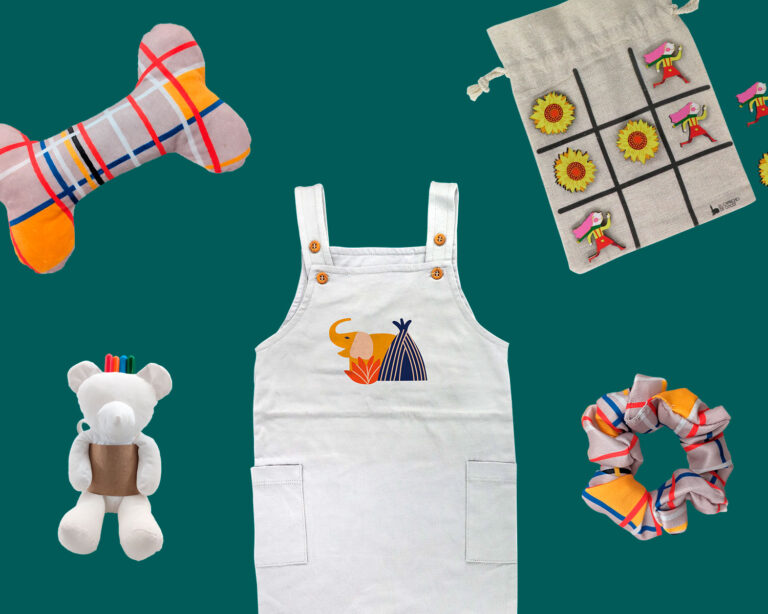
As museums, luxury brands, hotels, and cultural institutions place greater emphasis on quality, sustainability, and supply-chain resilience, local production has become a strategic advantage. Beyond reducing transportation distances, working with nearby production partners enables greater control over quality, faster development cycles, and more productive collaboration throughout the creative process.
As a result, local manufacturing is increasingly viewed not simply as a sustainability initiative but as a business decision that improves product quality, operational efficiency, and long-term reliability.
Greater control over quality and brand standards
Retail environments and their institutions are no longer separate entities, but rather a complete ecosystem. Consequently, every material, finish, and detail contributes to how visitors perceive the organisation behind it. Maintaining this level of consistency requires close oversight throughout the production process.
Local production makes this significantly easier. Shorter communication channels enable design teams, production specialists, and clients to collaborate more effectively, reducing the risk of misinterpretation and ensuring that final products remain aligned with brand standards.
For institutions that depend on trust and reputation, quality control is not optional. It is a fundamental part of the visitor experience, influencing whether a product becomes a lasting keepsake or a forgettable purchase.
Flexibility through integrated production capabilities
When design and production teams operate in close proximity, product development becomes more responsive. Adjustments can be made quickly, prototypes can be reviewed efficiently, and production timelines become easier to manage.This flexibility is particularly valuable for cultural institutions, which often work around exhibition schedules and seasonal programming.
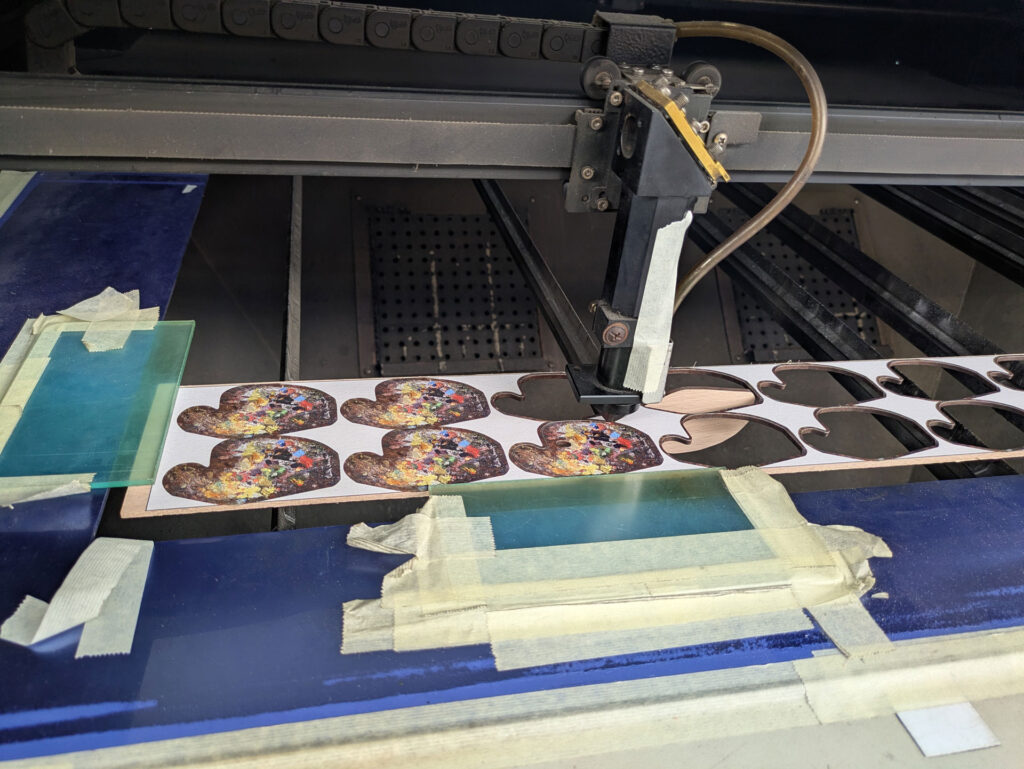
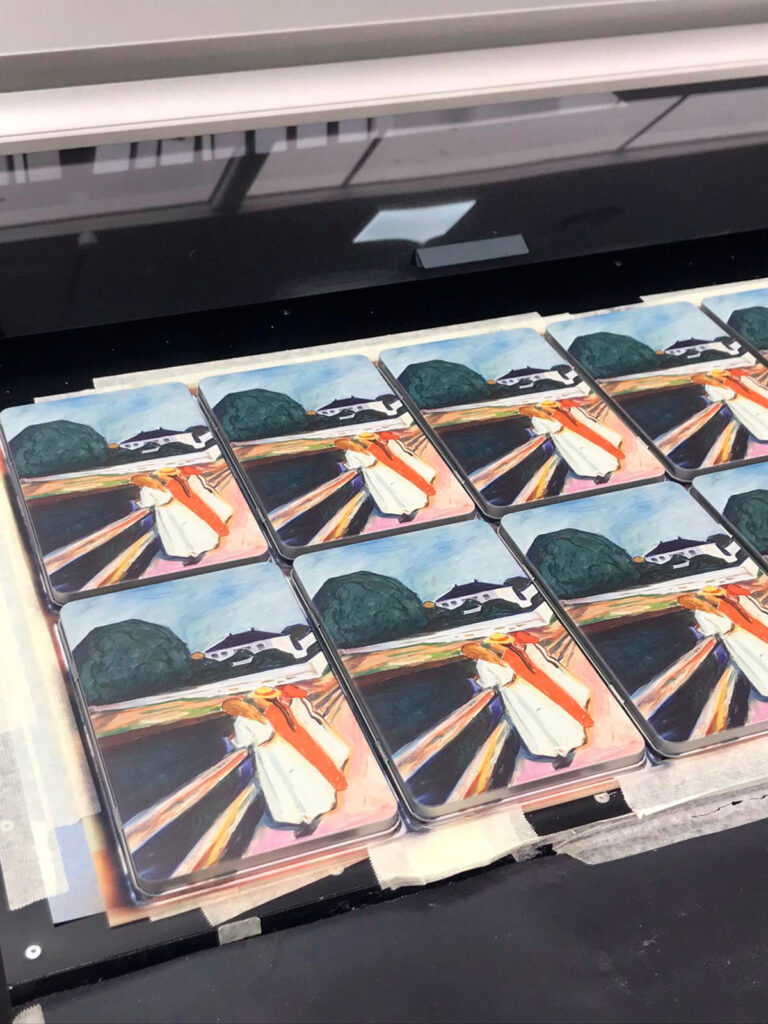
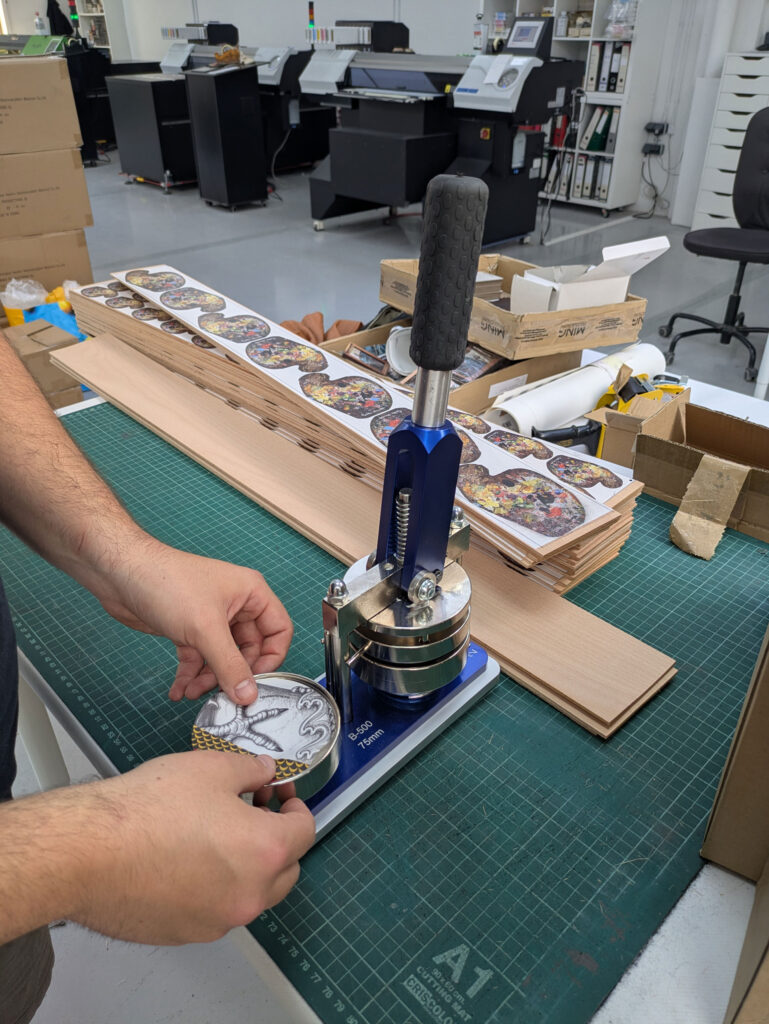
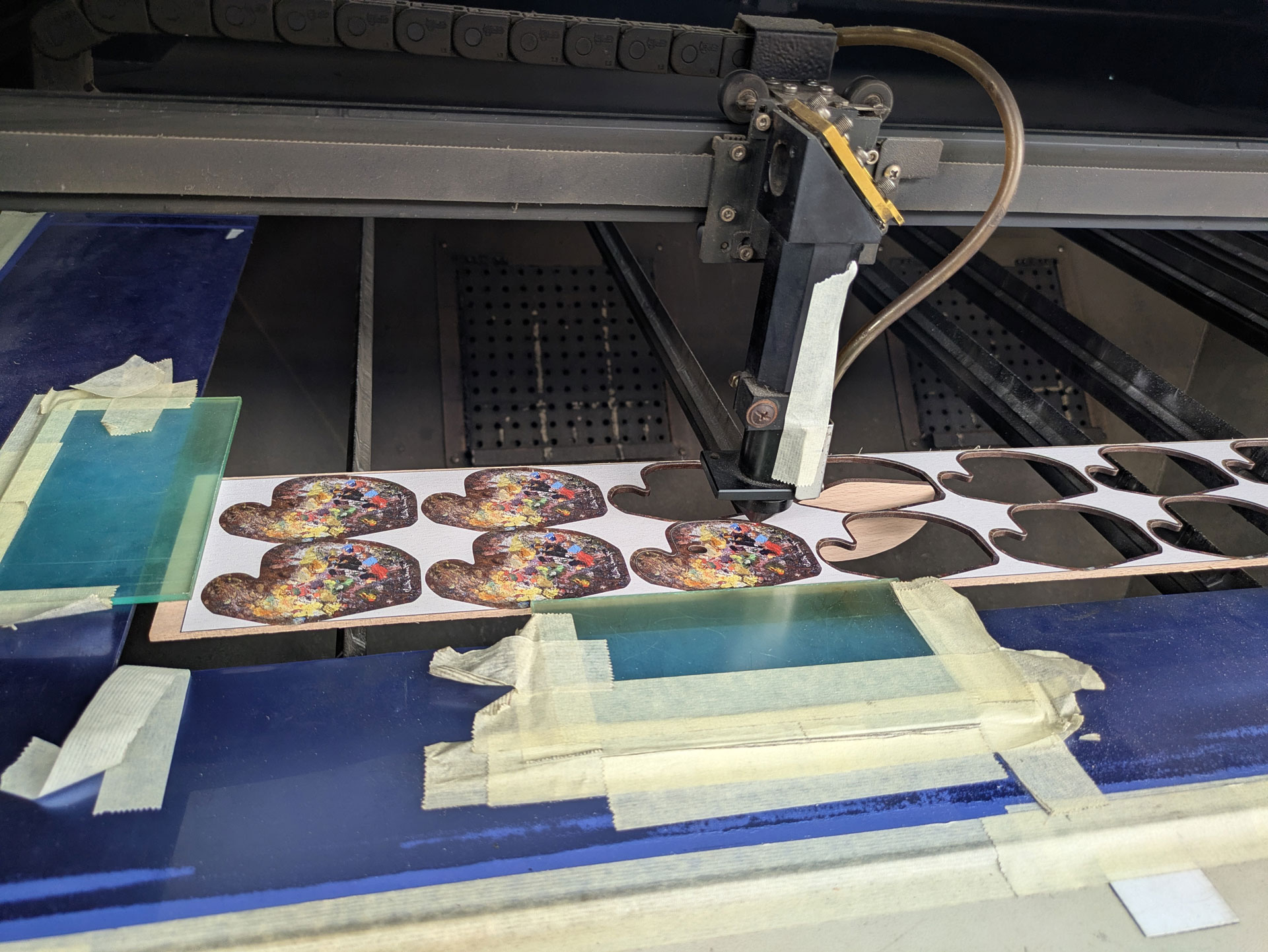
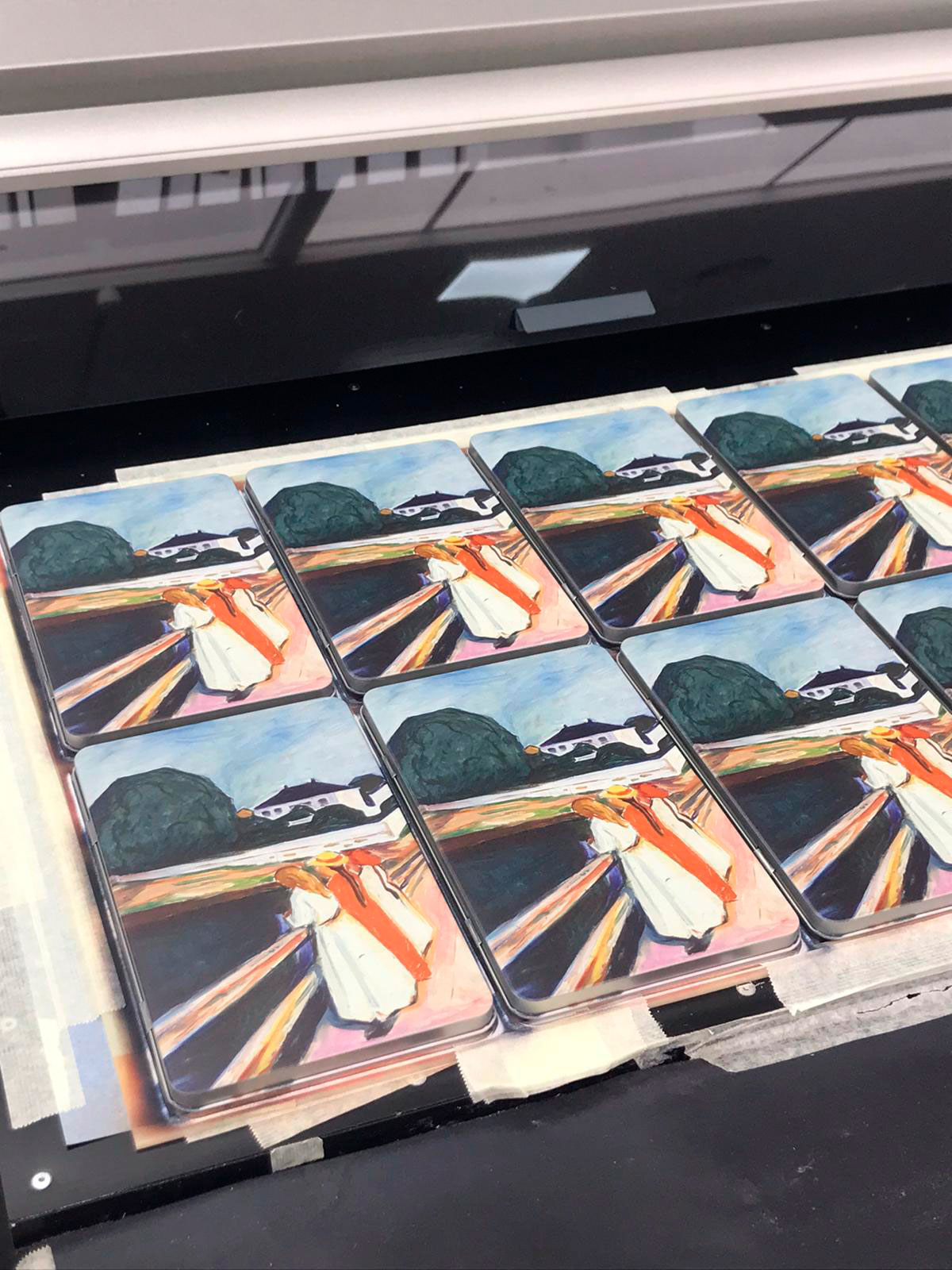
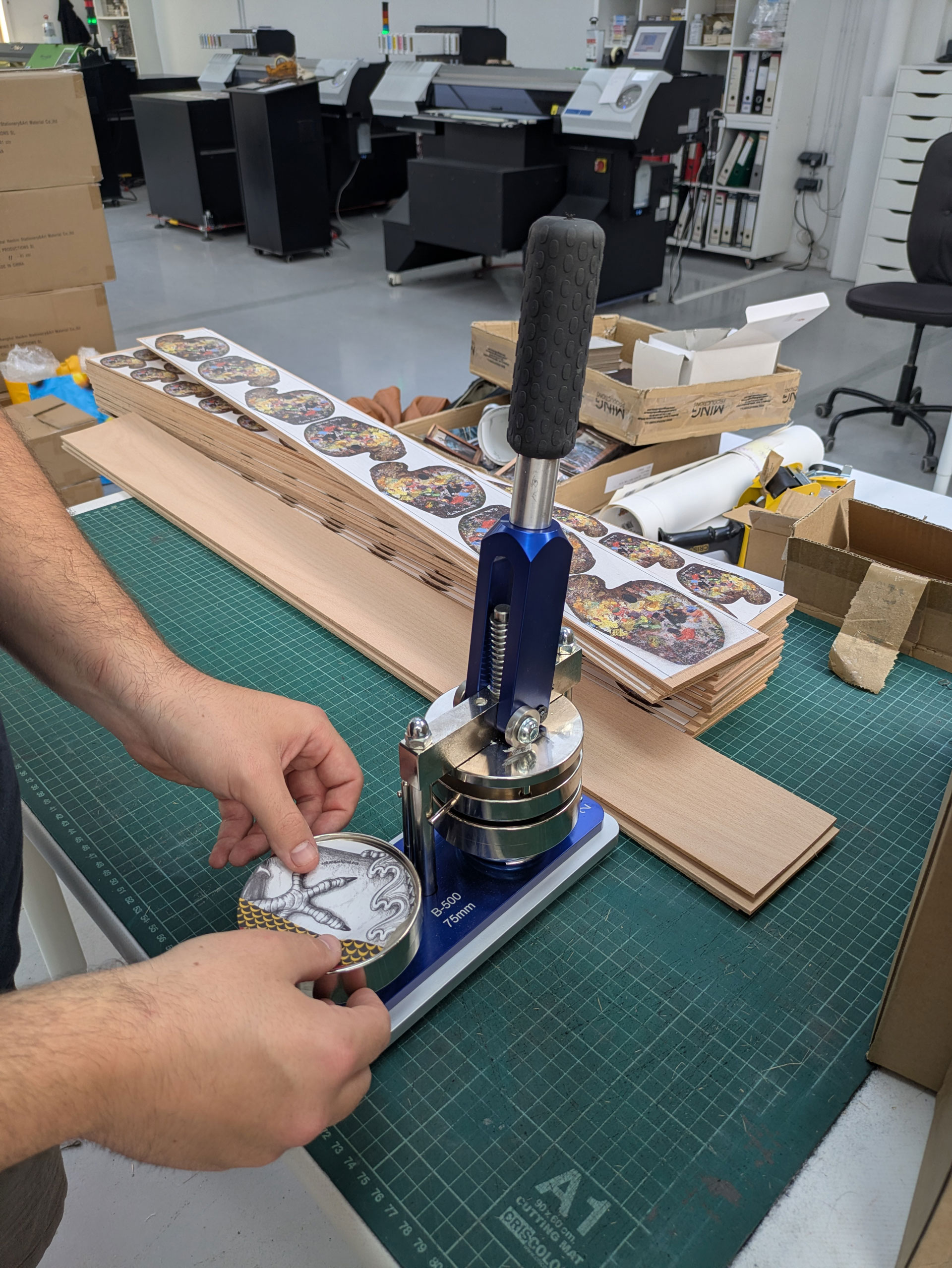
Integrated production capabilities further strengthen this advantage. Techniques such as digital printing, laser cutting, and pad printing enable institutions to adapt products to different collections while maintaining consistency across merchandise categories.
Rather than relying on multiple suppliers across different regions, institutions can often consolidate production processes within a single manufacturing ecosystem. The result is a more agile development process capable of responding to changing needs without compromising quality.
For institutions interested in exploring specific production methods, our guides to digital printing, laser engraving, and pad printing provide a closer look at the techniques used to translate visual identities into finished products.
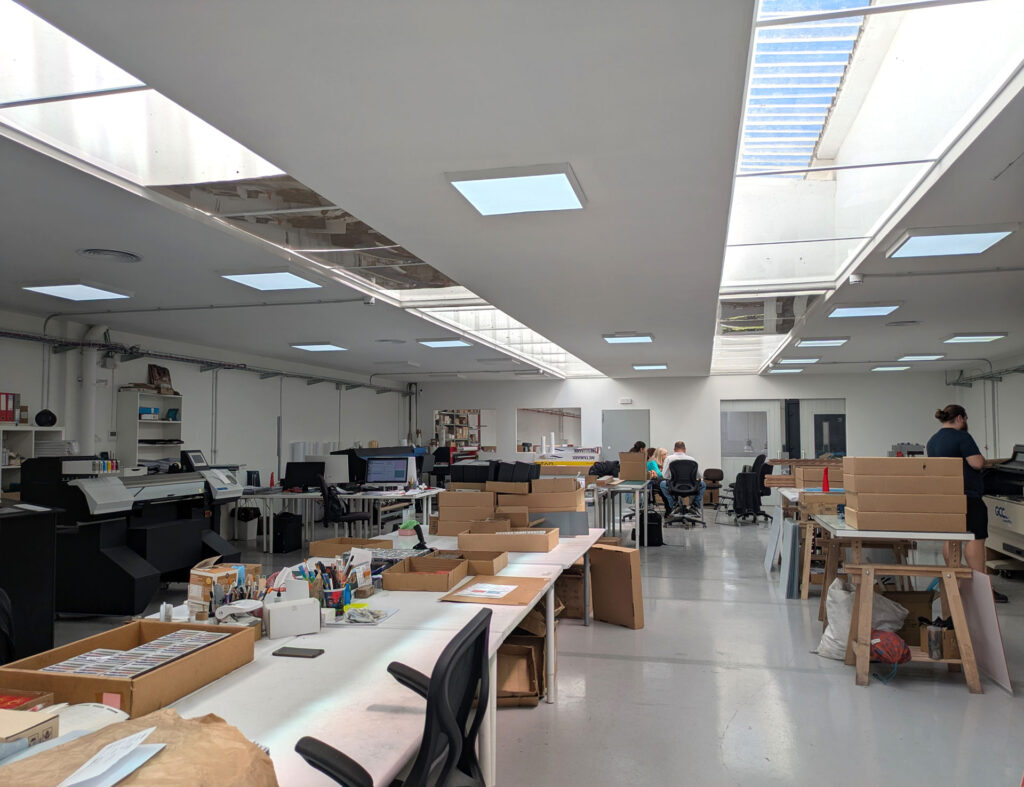
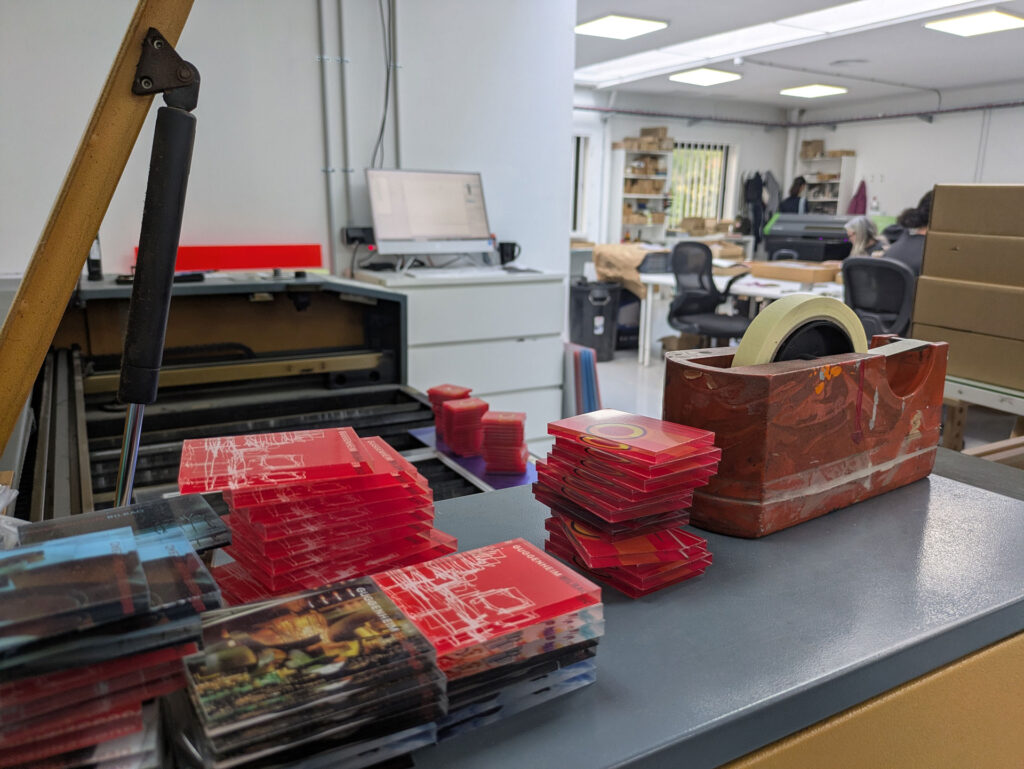
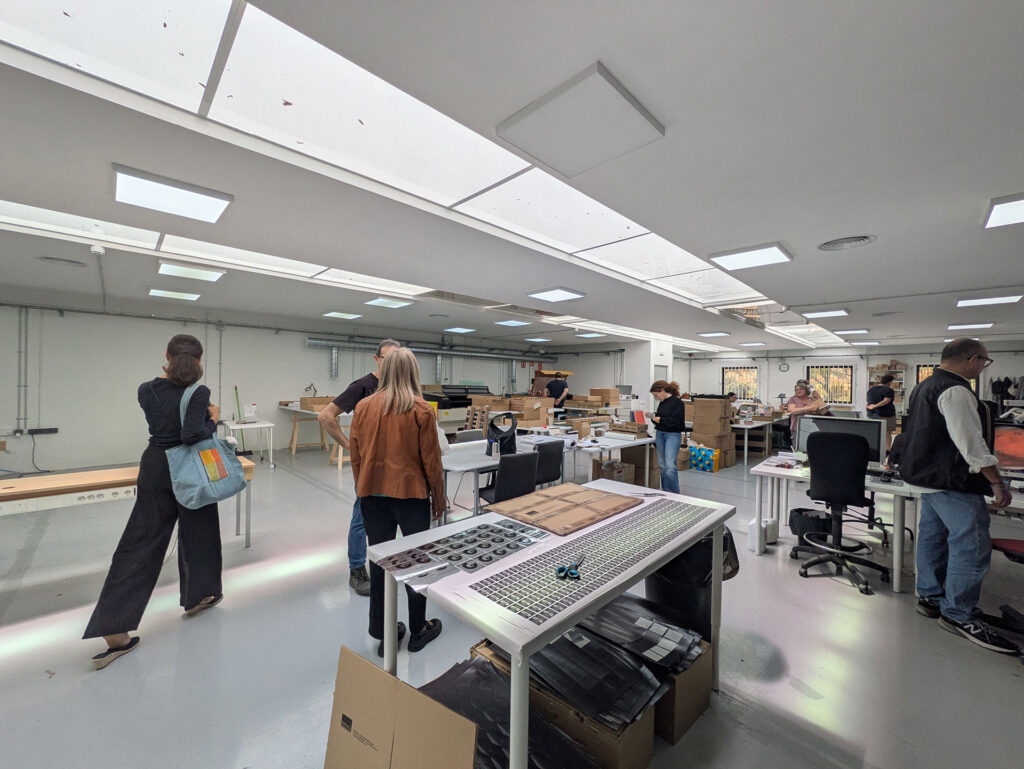
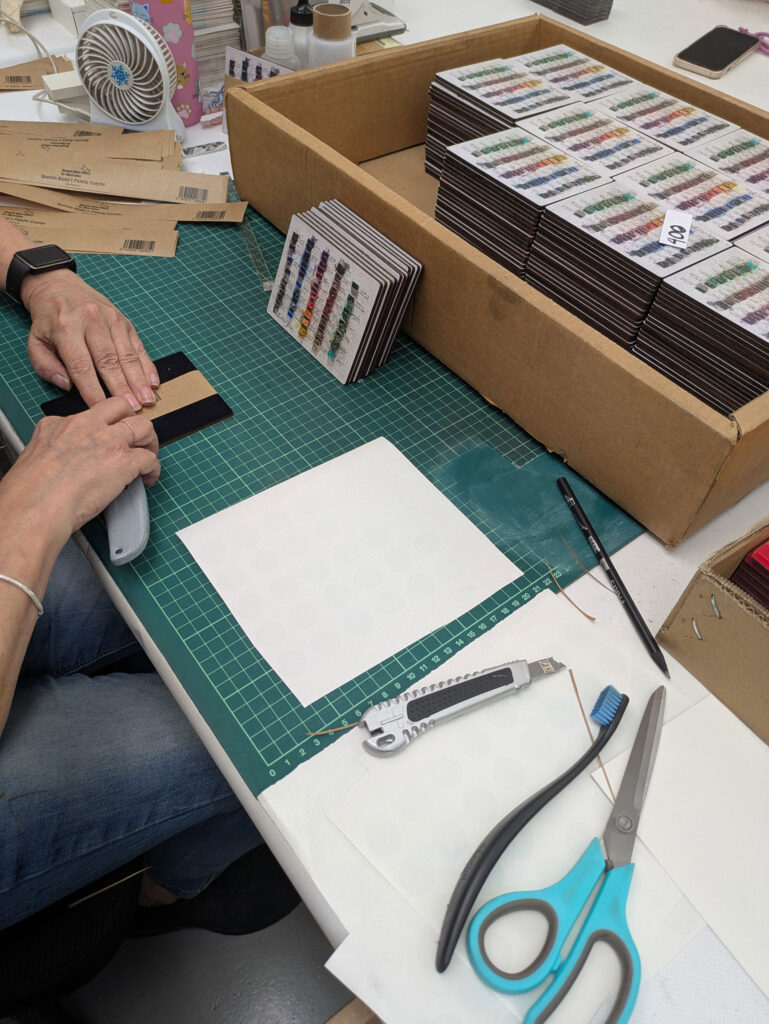
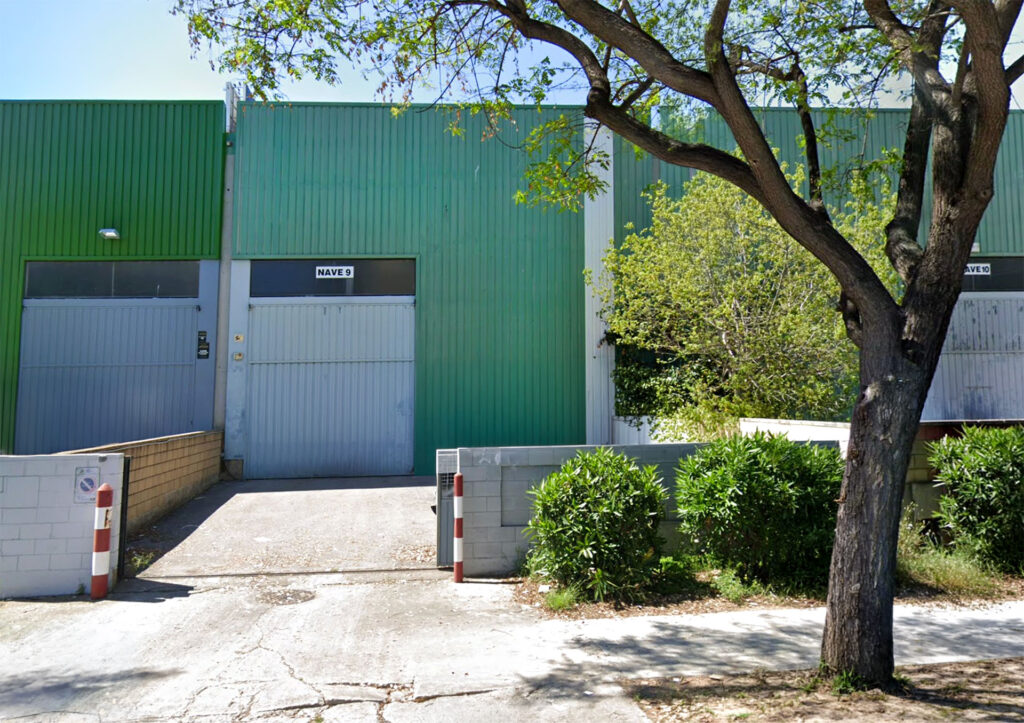
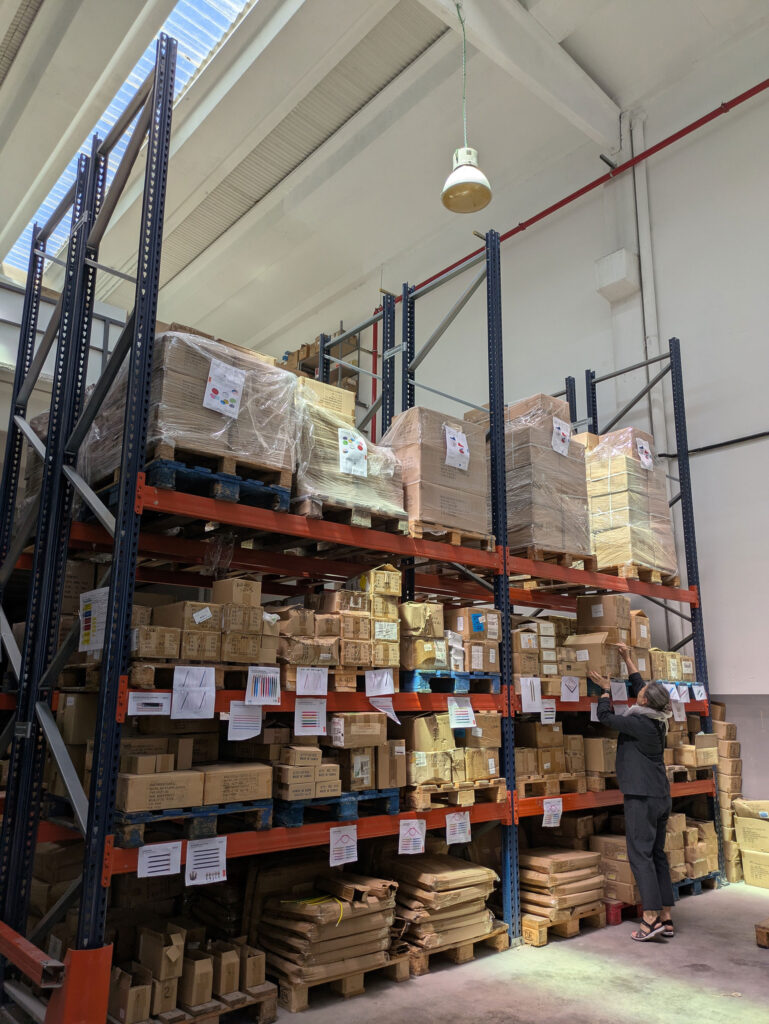
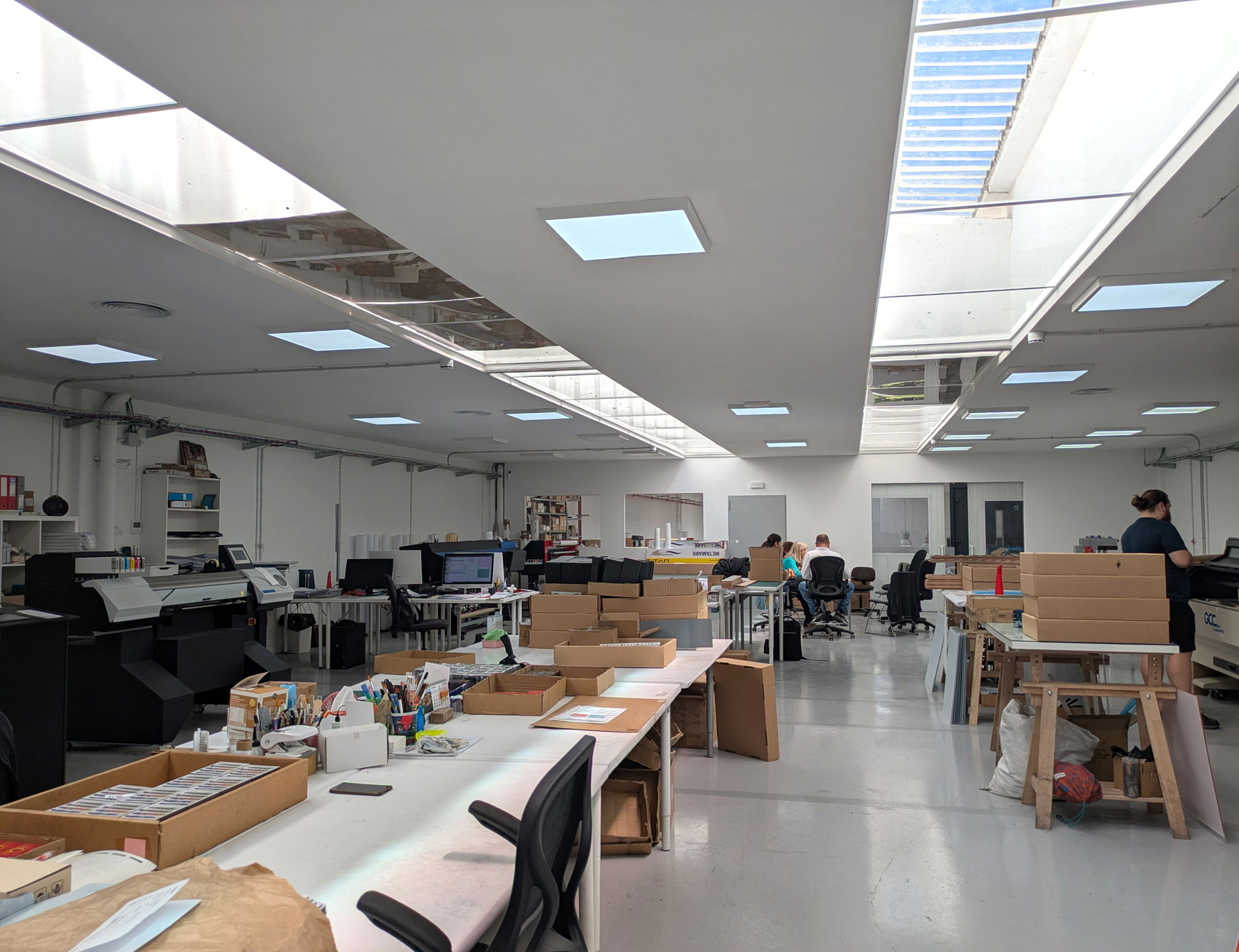
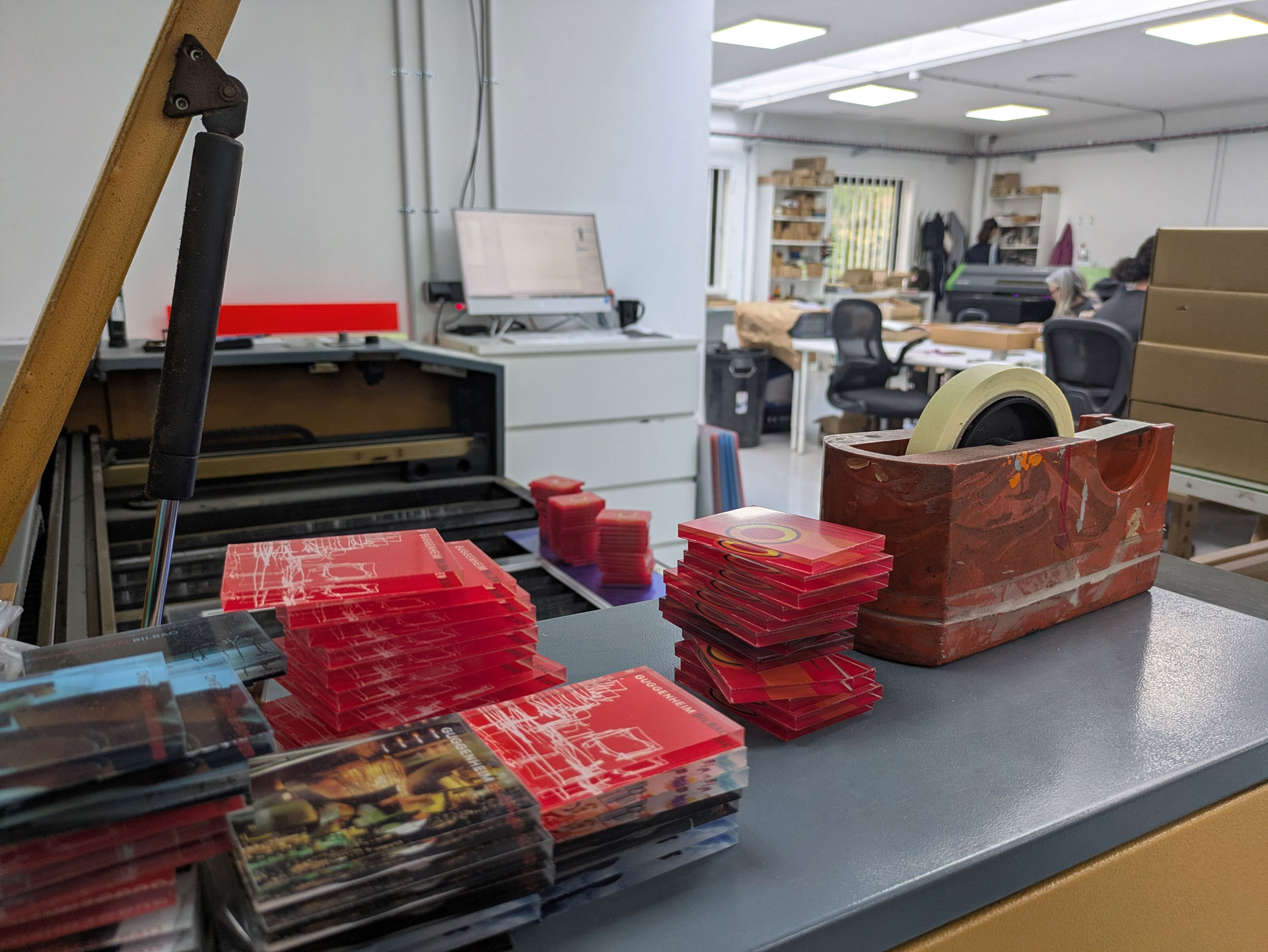
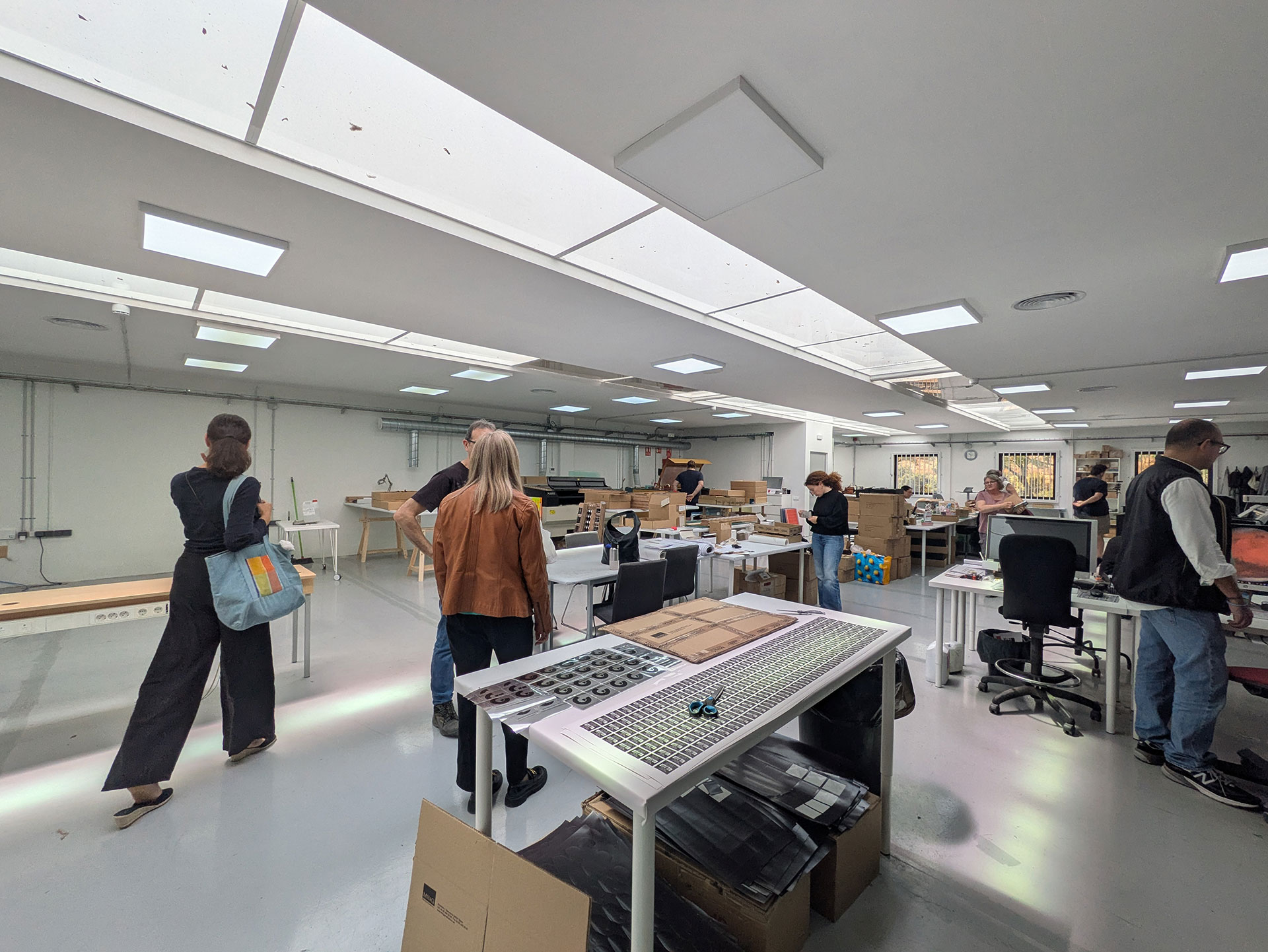
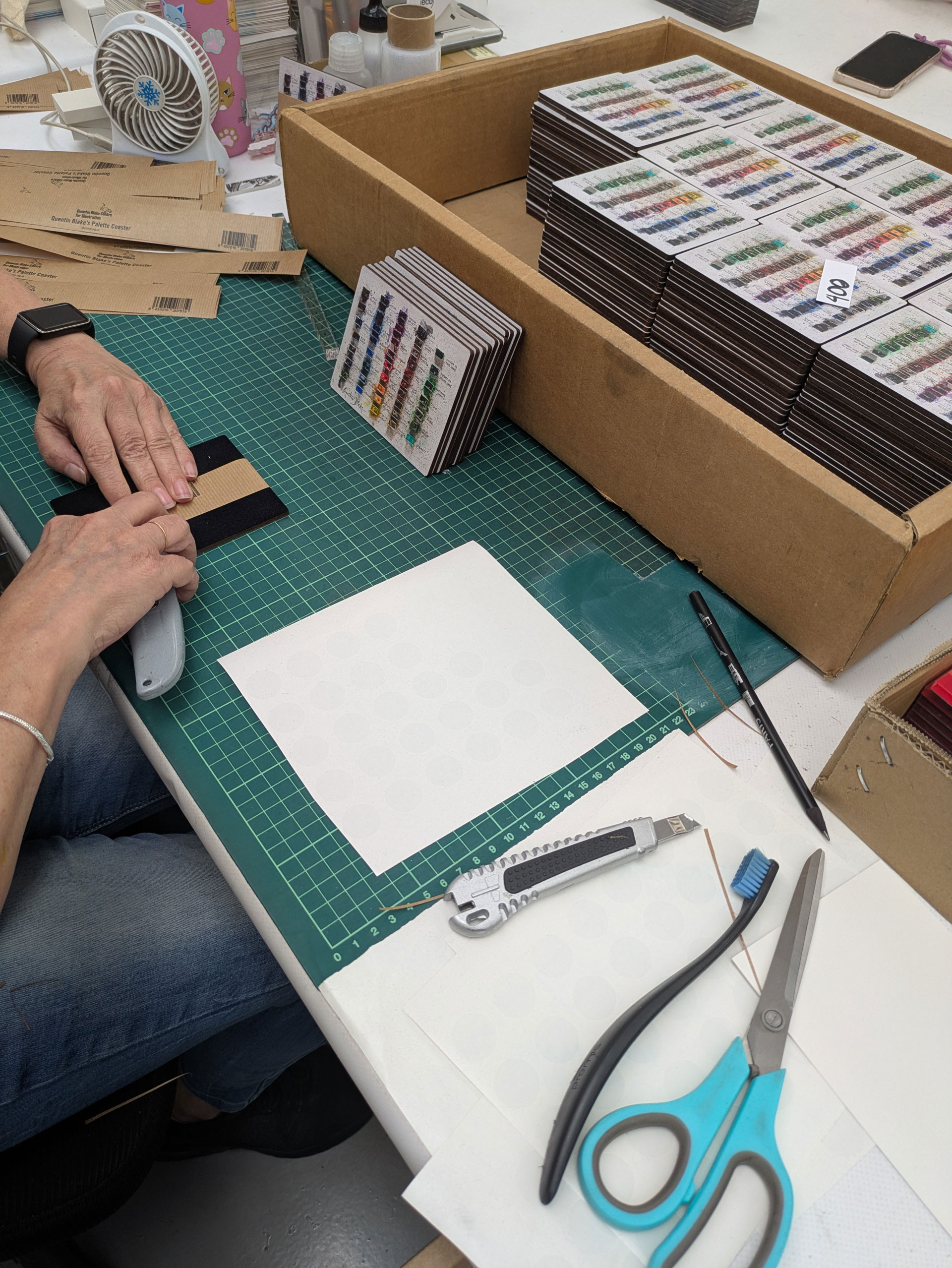
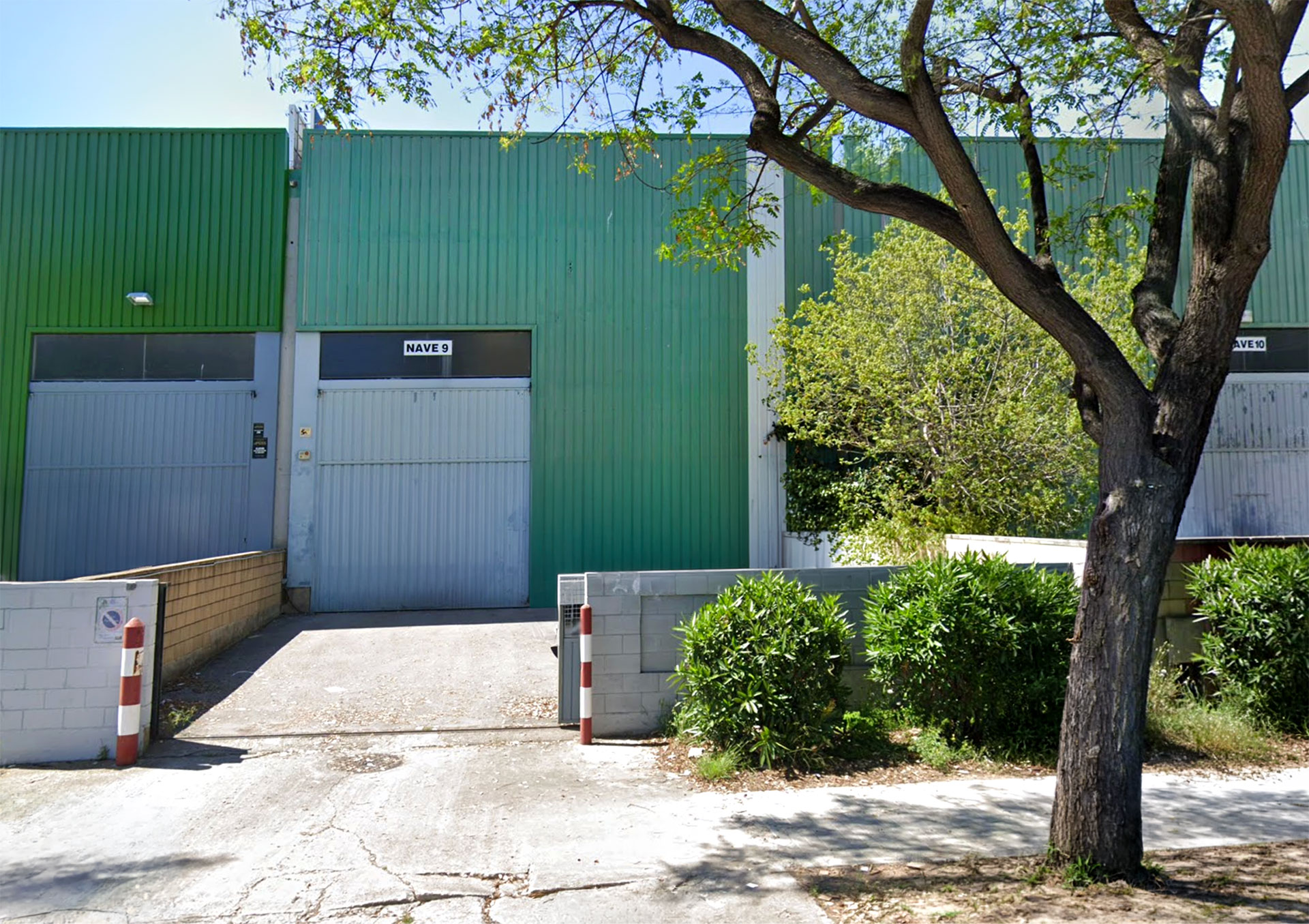
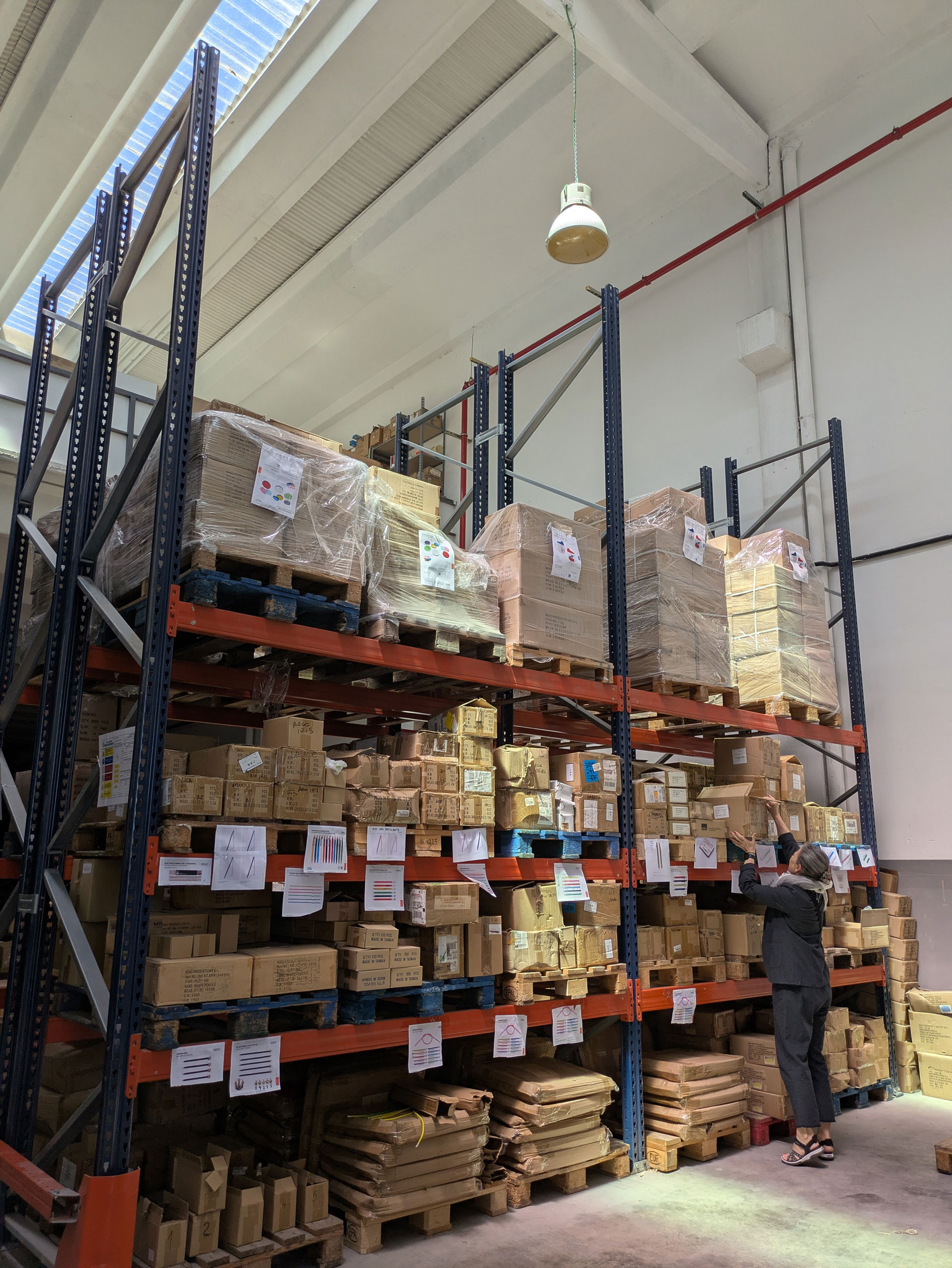
See Inside Our Barcelona Production Facilities
Take a closer look at our Barcelona workshop installations, where design, prototyping, and production come together under one roof. Explore our facilities and discover how local manufacturing enables greater quality control, flexibility, and collaboration throughout every stage of product development.
Sustainable production beyond marketing claims
Sustainability has become a central consideration within both cultural retail and premium product development. However, sustainable production extends beyond the materials used in a product. It also includes how and where products are manufactured.
Local production reduces transportation distances and the associated emissions generated through complex international supply chains. It also provides greater visibility into manufacturing practices, making it easier for institutions to verify compliance with environmental standards.
Equally important is the ability to produce more efficiently. Shorter supply chains often allow for smaller production runs, reducing excess inventory and limiting unnecessary waste. Sustainability is most effective when it is integrated throughout the product lifecycle rather than treated as a standalone marketing message. Production location, manufacturing methods, material selection, packaging, and product longevity all contribute to a more responsible retail strategy.
Institutions looking to develop a broader sustainability framework can explore our guide to sustainable merchandising for museums, which examines how to embed sustainability throughout the entire product development process.
Why local production creates better outcomes for museums and premium brands
Although local production is often discussed as a sustainability initiative, it shouldn’t be viewed solely as an environmental benefit.
For museums, luxury brands, hotels, and cultural institutions, proximity fosters:
- Stronger collaboration
- More reliable quality control
- Greater production flexibility
- Improved supply chain resilience
- More integrated partnerships that support both creative and operational goals, moving organisations beyond transactional supplier relationships
At the same time, local manufacturing provides the transparency that visitors and stakeholders increasingly depend on. As expectations around quality, sustainability, and responsible production continue to evolve, institutions benefit from manufacturing partners that can adapt quickly while maintaining high standards.
Ultimately, local production is not simply about where a product is made. It is about creating the conditions for better products, stronger partnerships, and the flexibility needed to develop products that accurately reflect an institution’s identity.